Olymp Trade Withdrawal Proof (Live Test + Multiple Methods)

My First Real Test with Olymp Trade Withdrawals

When I first started trading on Olymp Trade, my main focus was on strategies, signals, and execution. Making money felt like the ultimate goal. But as soon as I had a decent balance sitting in my account, the question became very real: “Can I actually withdraw my profits smoothly?”

My First Real Test with Olymp Trade Withdrawals

I had read mixed experiences online—some traders praised the speed, while others complained about delays. I didn’t want speculation; I wanted my own Olymp Trade withdrawal proof. That’s why I decided to run a series of live tests across different withdrawal methods. What follows is my documented journey—real steps, real waiting times, and real lessons.

👉 If you’re ready to test Olymp Trade for yourself, open your account here and follow along with me.

Why Withdrawal Proof Matters More Than Trading Profits

Trading profits mean little if you can’t access them. I’ve seen many traders get stuck at this stage, not because the platform is bad, but because they didn’t understand the withdrawal rules. 

Why Withdrawal Proof Matters More Than Trading Profits

For example:

  • Withdrawals usually go back to the same payment method used for deposits.
  • Some methods are faster (like e-wallets), while others can take longer (like bank transfers).
  • First withdrawals may require identity verification.
    I had already verified my account, so I was ready to push forward.

My Setup Before Testing

To make this experiment fair, I decided to withdraw using multiple channels. Here’s how I planned it:

Method ChosenAmount WithdrawnReason for Testing
Skrill (E-wallet)$50Fast payouts, often within hours
Bank Card (Visa)$100Common method, good for comparison
Local Bank Transfer$150To see how local processing works
Neteller$75Another e-wallet to compare with Skrill

Test #1: Skrill Withdrawal

My first attempt was with Skrill because I often use it for online trading platforms.

  • Request Date & Time: Monday, 11:30 AM
  • Amount: $50
  • Status Updates: Pending → Processed in 2 hours
  • Arrival in Skrill: 2:15 PM, same day
    This was the fastest and smoothest experience. The $50 appeared in my Skrill wallet before I even had time to check again. This gave me confidence that e-wallets are the most convenient option.

Test #2: Bank Card Withdrawal

Next, I went for a $100 withdrawal back to my Visa card. This is where patience came in.

  • Request Date & Time: Tuesday, 3:00 PM
  • Amount: $100
  • Status Updates: Pending for 24 hours → Processed on Wednesday evening
  • Arrival in Bank Account: Friday morning
    It took about three full days before I saw the money in my account. Not a big issue, but definitely slower compared to e-wallets. I wouldn’t recommend this if you need instant liquidity.

Test #3: Local Bank Transfer

I decided to try a $150 withdrawal directly to my local bank. This one was tricky because local banks sometimes have additional checks.

  • Request Date & Time: Thursday, 9:00 AM
  • Amount: $150
  • Status Updates: Pending for 36 hours → Processed by Saturday
  • Arrival in Bank: Monday afternoon
    This method took nearly four days, which was the longest. The funds did arrive, but I realized this option is better if you’re withdrawing larger amounts and don’t mind waiting.

Test #4: Neteller Withdrawal

Finally, I tried Neteller with $75.

  • Request Date & Time: Monday, 1:00 PM
  • Amount: $75
  • Status Updates: Processed in 3 hours
  • Arrival in Neteller: Same day, 4:30 PM. 

Just like Skrill, Neteller was fast and reliable. This confirmed that e-wallets are the best choice for frequent traders.

Comparing My Results

Here’s how all four methods stacked up side by side:

MethodRequestedArrival TimeWaiting DaysMy Verdict
Skrill$50Same day0Excellent for speed
Bank Card (Visa)$1003 days3Decent, but slower
Local Bank Transfer$1504 days4Reliable for big sums
Neteller$75Same day0Same advantage as Skrill

Lessons Learned from My Olymp Trade Withdrawal Proof

Looking back, a few important lessons stood out:

  • Verification is non-negotiable. Without uploading ID and proof of address, withdrawals would’ve been delayed further.
  • E-wallets beat banks in speed. Skrill and Neteller consistently gave me same-day access.
  • Weekends add extra time. My local bank withdrawal landed late partly because it crossed over a weekend.
  • Olymp Trade processed quickly. Most delays weren’t from the platform but from banking networks.

These are not things you read in generic reviews; these are small details that make a big difference once you start trading seriously.

How This Fits Into My Trading Journey

I’ve tested multiple strategies on Olymp Trade, from my short 1-minute setups to longer candlestick patterns. While some trades were wins and others losses, knowing that I can reliably withdraw profits changed my mindset.

For example, after a strong week using the multi-chart layout guide I wrote about earlier, I didn’t hesitate to book profits because I knew withdrawals would come through. Similarly, when I compared my 1-minute strategy with longer timeframes, I was reassured that even small gains could be cashed out without friction.

Final Thoughts: Is Olymp Trade Withdrawal Proof Real?

From my own live tests, yes, Olymp Trade withdrawal proof is absolutely real. The speed and convenience depend heavily on the method you choose, but all four options worked without issue.

If you’re just starting out, I recommend opening your account with an e-wallet linked, since it saves you from waiting days. For bigger sums, local bank transfers still work fine—they just need patience.

👉 Ready to put Olymp Trade to the test yourself? Open your account today with my link and see how withdrawals work in real time.

Combining Multi-Chart Layouts With Indicators on IQ Option

I remember the first time I stumbled across the multi-chart layout feature on IQ Option. It wasn’t planned. I had just finished a string of trades using the IQ Option chart gaps I wrote about before, and I felt like I was missing something. My entries looked fine on one chart, but when I reviewed them later, I realised my timing could have been sharper if I had checked another timeframe or compared another asset side by side. That thought was enough to spark curiosity.

At first, the idea of handling multiple charts on a single screen felt overwhelming. But I couldn’t shake the question: could combining multi-chart layouts with indicators actually help me find cleaner entries? That’s when I decided to test it.

That’s when I decided to test it.

If you’re new to IQ Option, this is the perfect feature to explore once you sign up. The platform makes it simple to open a free account and test strategies without pressure. Start here with IQ Option and see how multi-chart layouts can sharpen your setups.

How I Set Up My First Multi-Chart Strategy on IQ Option

I began with two charts open side by side. Both showed EURUSD. One was set to the 1-minute timeframe, the other to the 5-minute.

  • On the 1-minute chart, I used a 10 EMA and 20 EMA crossover for entry signals.
  • On the 5-minute chart, I used RSI (14) with standard levels of 30 and 70.
How I Set Up My First Multi-Chart Strategy on IQ Option

My rule was simple: take a trade only when the crossover on the fast chart matched RSI direction on the slower one.

Later, I moved to a 4-chart layout. This setup included EURUSD, GBPUSD, EURJPY, and BTCUSD. I was curious whether spotting similar signals across correlated pairs could strengthen my conviction.

Real Trade Examples With IQ Option Multi-Chart Layouts

To show you how this worked in practice, here are a few trades I logged:

AssetSetup TypePositionResultNotes
EURUSDEMA crossover + RSI risingCall 3mWinRSI climbing from 40, price closed +2.5 pips
EURUSDEMA crossover + RSI near 70Call 3mLossEntered late, reversal within 1 minute
GBPUSDEMA + RSI, correlated w/ EURUSDCall 5mWinBoth pairs aligned and moved together
BTCUSDSame EMA/RSI comboPut 3mLossHigh volatility, signal not reliable

After 12 trades, I was 7–5 in wins and losses. That gave me a 58% win rate. After 50 trades, I finished with 29 wins, 21 losses, and a small net profit of $72.

Not spectacular, but consistent enough to convince me that the structure worked.

When I first opened the multi-chart layout, I realised how much more depth IQ Option offers compared to single-chart trading. If you haven’t tried it yet, you can create your account on IQ Option and follow the same setup I used. It takes minutes, and you can start testing different indicator combinations right away.

What I Learned From This IQ Option Strategy

What Worked Well

  • Waiting for both charts to align kept me patient.
  • Correlated pairs like EURUSD and GBPUSD gave stronger signals.
  • EMAs on fast charts paired with RSI on slower charts provided clarity.

What Didn’t Work

  • Copying the same rules to BTCUSD was a mistake. Crypto’s volatility required a different approach.
  • Increasing size too quickly after early wins hurt overall consistency.
  • Ignoring divergence between assets led to weaker entries.

Some of these lessons echoed what I experienced while testing the IQ Option 1-minute strategy. The framework worked, but execution and discipline mattered more.

Takeaways for Traders Using Multi-Chart Layouts on IQ Option

Start Small

Use two charts before jumping into four. One short timeframe and one long timeframe is enough at first.

Limit Your Indicators

More indicators don’t mean better trades. EMA and RSI gave me the clearest setups.

Track by Asset Type

Forex pairs responded well. BTC didn’t. Write this down in your journal.

Stay Disciplined With Size

One of my biggest mistakes was overconfidence. Equal position sizing kept my later results steadier.

Use the Platform Features Fully

IQ Option’s multi-chart view isn’t just a gimmick. It can add structure to your analysis and prevent impulsive trades. For a deeper dive, check out my guide on best time to trade in IQ Option.

How Multi-Chart Layouts Changed My IQ Option Journey

This experiment reshaped how I look at trades. Instead of focusing on a single candle or indicator, I now look for alignment across different charts. That shift alone made me more selective.

How Multi-Chart Layouts Changed My IQ Option Journey

Some setups reminded me of the candlestick trades I covered in my IQ Option RSI divergence, while others connected more with the short-term tactics I tested in the 1-minute strategy. By combining these lessons, I started building a toolkit rather than chasing one-off signals.

My next step is to test new indicator pairings within the multi-chart setup. I want to see how stochastic and MACD work together in forex, compared with EMA and RSI in equities. This setup relies on multi-indicator combinations.

Trading will always be about experimenting and improving. If you’re still trading on one chart, you’re limiting yourself. Open an IQ Option account, set up a multi-chart layout, and start testing strategies with your own eyes. It’s the fastest way to build confidence in your setups.

Closing Reflection

Combining multi-chart layouts with indicators didn’t change my win rate overnight. What it did was force me to slow down, confirm trades across perspectives, and avoid unnecessary entries. That discipline is now part of my process.

If you’ve been trading on a single chart, try expanding to a two-chart setup on IQ Option. It might feel like a small step, but the insights you gain could reshape how you see setups altogether.

Trading is a long journey. Every experiment adds a new piece to the puzzle. This was mine, and it’s already shaping the way I approach my next strategies on IQ Option.

Combining Multi-Chart Layouts with Indicators for Trade Setups on IQ Option

Trading on IQ Option has always been about speed and clarity. In my early days, I would open a chart, slap on a couple of indicators, and hope for the best. Sometimes it worked, but often it felt like a guessing game. The turning point came when I discovered multi-chart layouts. Suddenly, I could view different assets side by side, test setups across timeframes, and layer my indicators in a way that made sense.

But here’s the catch! Multiple charts can either be your biggest advantage or your worst distraction. Too many traders split their screens into six boxes, throw every indicator under the sun, and then wonder why they can’t decide. I’ve been there. The difference between success and failure lies in how you structure your multi-chart setup, how you match it with indicators, and how disciplined you stay in execution.

This article isn’t just theory; it’s my own journey of trial and error with IQ Option’s multi-chart feature. By the end, you’ll not only understand how to build smarter layouts but also how to use them for real trade confluence.

Combining Multi-Chart Layouts

Ready to build smarter setups? Sign up on IQ Option and access multi-chart layouts instantly.

Why Multi-Chart Layouts Matter in Trading

When I first used IQ Option’s multi-chart view, I expected instant clarity. Instead, I got confused. Four different assets, four different directions, and me staring blankly at the screen. It was only after refining my approach that I realised the true power: multi-charting is about context, not complication.

Looking at a single EUR/USD chart tells you what’s happening in isolation. But comparing EUR/USD with GBP/USD can highlight correlations. Placing a stock chart next to an index reveals whether the move is market-wide or stock-specific. Adding a commodity chart alongside forex might explain a sudden surge in CAD pairs.

In short, multi-chart layouts let you see the market as a living system rather than isolated dots.

The Mistakes I Made With Multi-Chart Layouts

I’ll be honest, my first attempts were disasters. I split my screen into six, loaded each with RSI, MACD, Bollinger Bands, and moving averages. The result? Chaos. No signal felt strong enough, and I hesitated until trades slipped away.

Three main mistakes stood out:

  1. Overloading charts with indicators, more didn’t mean better.
  2. No clear purpose for each chart; every window looked the same.
  3. Forcing signals to align, I wanted all six charts to scream the same thing before acting, which rarely happens.

Recognising these flaws was my first step toward building a usable system.

How I Learned to Build Smarter Multi-Chart Setups

Here are the steps to learn the multi-chart setups:

How I Learned to Build Smarter Multi-Chart Setups

Step 1: Define Your Objective Before Splitting Charts

When traders first open multiple charts, the temptation is to fill each window with random assets. I made this mistake early on, ending up with clutter instead of clarity. The first step is to define what you’re trying to achieve. Are you comparing correlated assets (like EUR/USD and GBP/USD)? Or spotting divergences between a stock and its ETF? Without this clarity, your layout becomes noise. I found that when I set one clear objective, such as confirming trend strength across multiple pairs, my win rate improved because each chart had a role, not just a presence.

Step 2: Choose the Right Number of Charts

On IQ Option, you can split into two, four, or even six charts. The key is balance. Two charts help compare related markets, while four charts allow you to spot broader patterns across forex, stocks, and crypto simultaneously. Going beyond that can overwhelm unless you’re highly experienced. I personally stick to four charts max, where two track forex majors, one shows a crypto trend, and another gives me a commodities view. This gives me breadth without chaos.

Step 3: Match Timeframes to Your Strategy

One of the biggest breakthroughs for me came when I stopped using identical timeframes across all charts. Instead, I layered them. For instance, I would keep one chart on a higher timeframe (like 1-hour) to get a sense of market direction, while the other three charts zoomed into 5-minute or 15-minute setups for entries. This “top-down” view gave me confidence: I wasn’t just reacting to short-term noise but aligning trades with the broader trend.

Step 4: Combine Indicators Intelligently, Not Excessively

Indicators are like seasoning; too much ruins the dish. I tested different combinations across charts, and the best results came from pairing momentum indicators (RSI, MACD) with trend tools (moving averages). For example, my main chart might have RSI divergence highlighted, while a secondary chart confirms momentum with MACD. The goal isn’t to crowd each chart with five indicators, but to let each chart specialise in confirming a piece of the puzzle.

Step 5: Align Multi-Chart Signals Before Executing a Trade

Here’s where it all comes together. I never execute based on one chart alone anymore. For example, if my 15-minute chart shows RSI divergence but my 1-hour chart indicates strong bearish momentum, I’ll wait. But if the higher timeframe agrees with the short-term signal, I know I have confluence. This “cross-verification” has saved me from many losing trades that looked good in isolation but weak when zoomed out.

Step 6: Review and Refine Regularly

Multi-chart setups are not “set and forget.” Every two weeks, I review my layout, asking: Did these combinations give me clarity or confusion? I keep notes in my trade journal about which indicator + chart pairings improved my accuracy. Over time, I’ve eliminated what I call “false friends”; indicators that looked useful but didn’t add real value. The more I refined, the more intuitive my layouts became.

Experiment with your own layout today. Open a free demo on IQ Option and see how confluence changes your trades.

Practical Examples of Multi-Chart Layouts

Forex & Correlation Example

I placed EUR/USD on one chart and GBP/USD on another. When both trended in sync, my confidence in entries doubled. But when one diverged, I avoided trades, saving myself from false signals.

Crypto Momentum Example

With BTC/USDT on one chart and ETH/USDT on another, I noticed ETH often lagged BTC’s moves. Spotting BTC momentum helped me predict ETH’s breakout.

Stock & Index Example

Trading Tesla against the NASDAQ index showed me whether a surge was Tesla-specific or just the tech sector moving together. That clarity prevented me from misreading sentiment.

Stock & Index Example

The Psychology of Multi-Chart Trading

It’s easy to drown in information. Early on, I thought having more screens made me smarter. In truth, it made me hesitant. My recovery came when I realised:

  • Charts should filter noise, not create it.
  • Indicators should confirm, not confuse.
  • A setup is about confidence through clarity.

By treating each chart as a tool instead of a distraction, my confidence in executing trades skyrocketed. Many freelancers prefer multi-chart setups for efficiency.

Key Takeaways for Smarter Setups

Instead of filling screens with noise, remember:

  1. Define the role of each chart.
  2. Keep the number manageable.
  3. Layer timeframes for top-down clarity.
  4. Pair momentum and trend indicators.
  5. Seek confluence before acting.
  6. Refine regularly, and your system will evolve.

Final Thoughts: Turning Layouts Into Results

Multi-chart layouts aren’t magic, but when combined with indicators intelligently, they provide a roadmap. I’ve seen my win rate improve, not because I added more tools, but because I used them with intention.

And here’s the truth: no strategy works unless you put it into practice. IQ Option’s platform gives you the tools, but discipline and structure make the difference.

Don’t just read about smarter setups, practice them. Start trading with IQ Option and turn clarity into profit.

Related Articles You Might Like

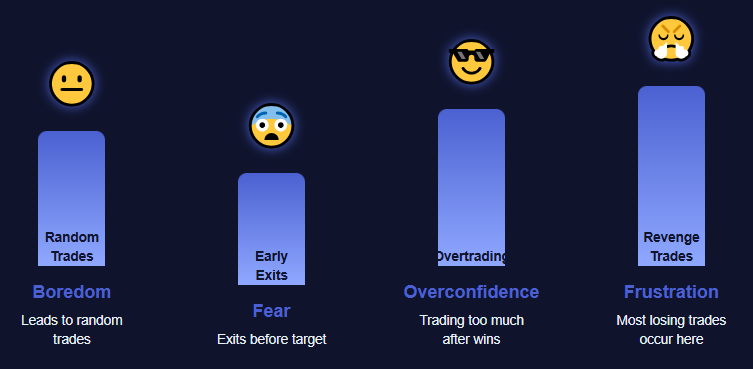
    5 Emotional Triggers That Killed My Trades on IQ Option

    When I first opened an IQ Option account, I thought trading was about charts, signals, and strategies. I spent hours studying candlestick patterns, technical indicators, and news catalysts. But what no one told me was this: the real battle is not with the market, it’s with yourself.

    Every time I blew an account or went on a losing streak, it wasn’t because my analysis was terrible. It was because emotions took control of my decisions. Fear, greed, overconfidence, and even anger disguised themselves as “logic.”

    In this article, I’ll break down the five emotional triggers that repeatedly destroyed my trades on IQ Option. For each one, I’ll share a real example from my own journey, explain the psychology behind it, and outline the fixes I used to recover. If you’ve ever felt like you’re your own worst enemy in trading, this is for you.

    👉 If you’re new, start with an IQ Option demo account. It lets you test your psychology in a safe space before risking real money.

    Overconfidence: When Winning Streaks Turn Dangerous

    Overconfidence When Winning Streaks Turn Dangerous

    My Overconfidence Story

    I remember one week when I couldn’t seem to lose. I had five winning trades in a row on EUR/USD and Bitcoin. My account balance had jumped nearly 25%. Instead of being grateful, I felt invincible.

    The very next day, I broke all my own rules. I entered a $500 trade on GBP/USD without a stop loss, thinking, “I can’t lose, I’ve figured this out.” Within 15 minutes, I watched the candle move against me. Instead of cutting the loss, I doubled down.

    By the end of that session, my week’s profit, and more, was gone.

    Why Overconfidence Happens in Trading

    Psychologists call this the illusion of control. After a streak of wins, the brain convinces us that we’re more skilled than we are. On platforms like IQ Option, where trades can resolve in 1–5 minutes, the rush of quick profits tricks us into believing the outcome is predictable.

    How I Recovered from Overconfidence

    The fix wasn’t just “be humble.” I created practical safeguards:

    • I capped my maximum position size to 2% of my account balance.
    • I forced myself to take a day off after three consecutive wins.
    • I started journaling not only losses but also wins to see if my wins were based on real setups or pure luck.

    👉 Pro tip: Don’t confuse luck with skill. The market rewards discipline, not arrogance.

    FOMO: Chasing Trades That Don’t Belong to Me

    My FOMO Disaster

    One night, I saw EUR/USD breaking out after a news release. I wasn’t at my desk during the start of the move, but when I opened my chart, I panicked. “If I don’t enter now, I’ll miss the big rally!”

    I jumped in at the very top of the breakout. Within minutes, the price reversed. I had literally bought the peak. That single FOMO trade wiped out two days of slow, careful gains.

    The Psychology of FOMO

    FOMO is driven by loss aversion; the pain of missing an opportunity feels worse than the pain of losing money. On fast-moving platforms like IQ Option, where candles move quickly, FOMO feels even stronger.

    How I Controlled FOMO

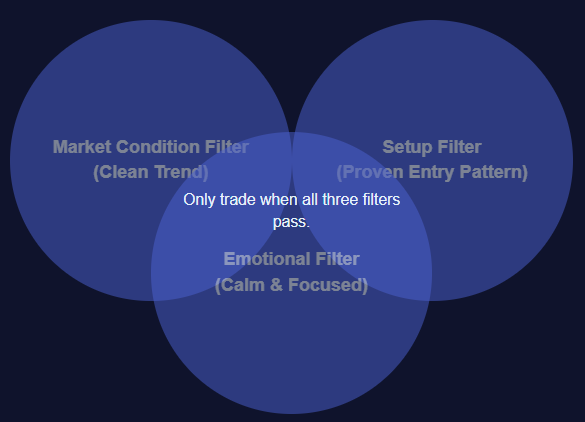
    The only way I beat FOMO was by creating a trading checklist. I wasn’t allowed to trade unless two or more of my conditions were met, such as trend confirmation and candlestick setup.

    I also stopped looking at social media groups during trading hours. Seeing other traders “boast” about their profits directly triggered my impulsive decisions. Each trigger ties back to loss psychology.

    Greed: The Silent Account Killer

    When Greed Took Over

    After a winning trade on Tesla stock, I told myself, “Just one more, then I’ll stop.” That one more turned into five trades. At first, I was up even higher. But the sixth trade wiped out all my gains.

    I learned the hard way that greed doesn’t look like greed at first; it feels like ambition.

    Why Small Wins Don’t Feel Satisfying

    Traders often underestimate the power of compounding. A 2% daily gain sounds small, but over a year, it can transform an account. The problem is, our brains crave big wins, not slow growth.

    My Anti-Greed System

    To fight greed, I built two rules:

    1. I set a daily profit target (3%–5%). Once I hit it, I logged out.
    2. I stopped trading in emotional states like excitement or boredom.

    👉 Greed makes you stay longer than you should. The most successful IQ Option traders I know close their platforms while still ahead.

    Revenge Trading: My Worst Habit on IQ Option

    My Revenge Trading Spiral

    One of my worst nights was after losing $200 in a single trade. Instead of walking away, I told myself, “I’ll get it back.” I entered another trade twice the size. It lost. I doubled again. Lost again.

    In under an hour, I had burned 40% of my account. Not because my strategy was wrong, but because my ego was.

    The Psychology of Revenge Trading

    Revenge trading is fuelled by anger and ego. You feel personally insulted by the market and want to prove yourself right. But markets aren’t personal; they don’t care about you.

    How I Stopped Revenge Trading

    I wrote one strict rule in bold letters: Two consecutive losses = Stop trading for the day.
    Even if I felt the urge, I shut down my laptop. This single habit prevented dozens of emotional blow-ups.

    How I Stopped Revenge Trading

    👉 Take control today: Open an IQ Option demo, test your discipline, and build the mindset that separates winners from losers.

    Anxiety and Paralysis After Losses

    The Hesitation Problem

    After a string of losses, I developed the opposite problem of revenge trading; I became afraid to pull the trigger. Even when I spotted valid setups, I doubted myself. Sometimes, I’d exit early, only to see the trade go in my favour.

    Why Anxiety Takes Over

    This is the classic fight-or-flight response. The brain associates trading with pain and loss, so it tries to avoid future pain by hesitating. The problem is, hesitation itself leads to poor execution.

    Regaining Confidence

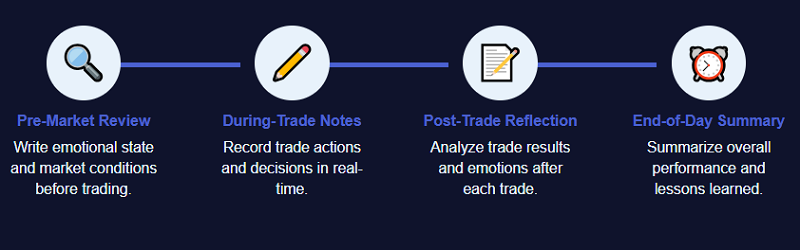
    I tackled this by journaling every trade. I rated my emotional state (calm, stressed, confident, anxious) before each entry. Over time, I realised most of my anxious decisions came late at night or after long workdays. By simply avoiding those hours, my hesitation dropped.

    Sometimes, the best fix for anxiety is reducing trading frequency. Quality beats quantity every time.

    Emotional Awareness as a Trading Tool

    The most significant shift in my journey was treating emotions as indicators. Just like I wouldn’t trade against RSI or MACD, I stopped trading when I felt tired, angry, or rushed.

    By making emotional awareness part of my strategy, I reduced impulsive trades by 70%.

    Building My Recovery Plan: From Chaos to Consistency

    After months of trial and error, I built a system that blended strategy with psychology:

    Building My Recovery Plan
    • Set rules in advance and never break them.
    • Tracked emotions alongside entries and exits.
    • Stopped trading after daily limits were hit, whether profit or loss.
    • Practised in demo mode whenever I felt emotional instability.

    This wasn’t a quick fix, but over time, my account stopped swinging wildly.  I finally achieved consistency. I hit a breaking point with IQ Option addiction.

    Final Thoughts: Why Controlling Yourself is the Real Edge

    The truth is, IQ Option didn’t kill my trades; my emotions did. Overconfidence, FOMO, greed, revenge trading, and anxiety were all self-made traps. The moment I learned to master them, my results improved dramatically.

    Trading success isn’t just about strategies or market analysis. It’s about mastering yourself.

    Don’t let emotions control your trades. Open an IQ Option account today, test your strategies, and build discipline before risking real money.

    Related Articles

    IQ Option Addiction: My Story, The Signs, and How I Took Back Control

    I never thought I would be the type of person to get addicted to something like online trading. Growing up, I always considered myself disciplined, careful, and rational with money. But when I first discovered IQ Option, everything I believed about myself got challenged. What started as a simple curiosity turned into a near-obsession that consumed my nights, my finances, and even my peace of mind. Today, I want to share my story not to scare you away from trading, but to show how IQ Option, when approached with balance, can be an incredible opportunity.

    IQ Option Addiction

    If you’re reading this because you’ve noticed yourself checking trades every hour or feeling restless when you’re not on the platform, let me tell you, you’re not alone. And before you scroll down, let me invite you: Sign up with IQ Option here and discover how to trade smartly with discipline and strategy. The platform itself isn’t the problem; it’s how we use it that makes all the difference.

    How IQ Option Addiction Starts: The Exciting Beginning

    I still remember the first time I signed up for IQ Option. The interface was sleek, modern, and exciting. The idea of being able to trade from my laptop or even my phone felt revolutionary. A few clicks, a bit of knowledge, and I could make real money. At least, that’s how it seemed. I made my first demo trades, watched charts move in real time, and felt the adrenaline spike when a candle went in my favor. It was thrilling, almost like a video game, but with real money attached. Identify your emotional triggers before trading again.

    In those early days, it didn’t feel dangerous at all. It felt empowering. I thought, Finally, a way to control my financial destiny. I believed I had discovered the key to independence. That belief was the hook that kept me coming back, again and again.

    From Curiosity to Compulsion: When Trading Becomes a Problem

    At first, I treated IQ Option like a hobby. I’d open a trade here and there, usually small amounts, and close the laptop feeling satisfied. But over time, I noticed the trades started coming more often. A few hours after work turned into late nights staring at charts. I began to chase losses, telling myself, Just one more trade and I’ll get back what I lost.

    The scariest part? I didn’t realize when the hobby slipped into compulsion. I found myself checking trades during meals, ignoring conversations, and feeling irritated if I couldn’t access my phone. The rush of winning a trade felt incredible, but the sting of a loss was unbearable and that mix created a cycle I couldn’t escape easily. One big trigger was using the Martingale recovery system.

    Real Signs of IQ Option Addiction You Should Watch For

    Looking back now, the signs were clear. But at the time, I dismissed them as dedication or ambition. Here are the real signs I noticed:

    Real Signs of IQ Option Addiction You Should Watch For
    1. Obsession with the platform – IQ Option became the first app I opened in the morning and the last before I slept.
    2. Emotional rollercoaster – My mood depended entirely on the outcome of my trades. A win made me euphoric; a loss made me irritable or even depressed.
    3. Chasing losses – Instead of accepting a bad day, I doubled down, hoping to recover quickly.
    4. Neglecting responsibilities – Work deadlines slipped, family dinners were ignored, and friendships quietly faded.
    5. Lying to myself – I kept telling myself I was in control, but deep down, I knew I wasn’t.

    If even one of these feels familiar, I’d urge you to pause and reflect. Trading should be a strategy, not an emotional lifeline.

    Hitting Rock Bottom: My Breaking Point

    Every addiction has a breaking point. Mine came one late night when I lost nearly all of what I had set aside for savings. I remember staring at the screen, my heart racing, my hands trembling. In just minutes, months of careful saving were gone. I closed the laptop, sat in silence, and realized I had crossed a line. That night, I couldn’t sleep. I kept replaying my decisions, wondering why I couldn’t just stop.

    The shame was heavy. I didn’t tell anyone at first, not family, not friends. I carried the burden alone, afraid of being judged. But that silence only deepened the problem. It wasn’t until I admitted to myself, This is addiction, that things started to change.

    How I Regained Control Over IQ Option Addiction

    The road back wasn’t easy, but it was possible. Here are the steps I took that truly made a difference:

    1. Admitting the problem. 

    Acknowledging that I had an addiction was the hardest part. I had to stop sugarcoating my behavior and call it what it was.

    2. Setting strict limits. 

    I started by deleting the app from my phone and only allowing myself to access IQ Option through my laptop. This reduced impulsive trades.

    3. Creating a financial boundary. 

    I set a strict budget, money I could afford to lose, and once it was gone, I wouldn’t add more. No exceptions.

    4. Tracking my emotions. 

    I kept a journal of how I felt before and after trades. This helped me see patterns, like trading more when I was stressed or bored.

    5. Seeking support. 

    Eventually, I confided in a close friend. Just having someone listen without judgment gave me strength.

    6. Filling the gap. 

    Trading had consumed my free time, so I filled that gap with healthier habits: reading, exercising, and even learning new skills unrelated to finance.

    Halfway through my recovery, I realized something important: the addiction wasn’t just about IQ Option. It was about the way I used it to escape stress, chase quick wins, and avoid facing uncomfortable emotions. If you’re struggling right now, remember, you can’t just remove the platform; you need to replace the behavior with something healthier. Join IQ Option here and learn to trade with purpose, not compulsion.

    The Lessons I Learned From Trading Addiction

    Taking control of my trading addiction taught me more about myself than I expected. I learned that:

    • Discipline isn’t about control, it’s about awareness. You can’t control every outcome, but you can be aware of your triggers.
    • Money isn’t just numbers, it’s emotions. Every trade carried fear, hope, greed, and regret. Recognizing that was crucial.
    • Asking for help is a strength. Silence only fed my problem. Speaking up helped me heal.
    • Small habits matter. Journaling, exercising, and daily check-ins with myself helped me stay balanced.

    Rebuilding a Healthy Relationship With Trading

    Now, I won’t say I quit trading completely. I still trade occasionally, but the difference is massive. I approach it like an investment, not entertainment. I set goals, follow a plan, and most importantly, know when to walk away. Trading no longer defines my emotions or my day.

    One of the best decisions I made was learning actual trading strategies, rather than relying on gut feeling. Knowledge gave me clarity, and structure gave me peace. If you’ve ever felt like you’re just gambling on charts, let me suggest something that helped me: start studying real risk management techniques. The more prepared you are, the less likely you’ll spiral into impulsive trades.

    Final Words: Breaking Free From IQ Option Addiction

    If you’re still caught in the cycle of IQ Option addiction, I want you to know something: you are not weak. Addiction doesn’t mean you lack discipline; it means you’re human. The system is designed to keep you hooked, and breaking free takes courage.

    Don’t wait for a breaking point like I did. Start setting boundaries today. Talk to someone you trust. Reclaim your time, your peace, and your confidence. And if you need a little push, here’s mine: Sign up with IQ Option today and begin your journey toward smarter, more responsible trading. Close the app for now, take a deep breath, and remind yourself, you’re in control, not the chart.

    Because at the end of the day, the market will always be there. Your health, your relationships, and your peace of mind are far more valuable. Choose them first.

    And remember this, if I could take control back from the grip of addiction, so can you.

    Related Article That Might Help:

    The Psychology of Losing Trades on IQ Option & How I Recovered

    Every trader starts with dreams of quick wins and fast profits. I was no different when I first opened my IQ Option account. But my real lessons didn’t come from my winning trades; they came from my losses. Those red screens, the sinking feeling after a miscalculated entry, and the frustration of seeing my account balance shrink — that’s where trading psychology truly came alive for me.

    that’s where trading psychology truly came alive for me

    This article is not about glorifying my wins. Instead, it’s about what really happened when I faced loss after loss, how my emotions almost sabotaged my trading journey, and how I slowly built a mindset strong enough to recover. If you’ve ever blown an account, doubled down in frustration, or felt paralysed before clicking “Buy” or “Sell,” this story is for you.

    👉 Don’t treat IQ Option as luck-based trading. With the right mindset, it can become a structured journey. Start your own disciplined approach today with IQ Option.

    Why Losing Trades Hurt More Than Winning Trades Feel Good

    The human brain is wired to dislike losses more intensely than it enjoys gains. Behavioural economists call this loss aversion. For me, a $50 win felt nice — but a $50 loss? It felt crushing, almost personal.

    Psychologists like Daniel Kahneman have proven that the emotional impact of losing is almost twice as strong as the joy of winning. That’s why traders often make irrational decisions after losses — chasing, over-leveraging, or abandoning their strategies altogether.

    When I first started, I didn’t realise how much this natural bias was shaping my behaviour. I wasn’t just trading against the markets; I was trading against my own brain. I faced addiction signs after multiple losses.

    My First Major Loss on IQ Option

    I remember it vividly. It was a EUR/USD trade on a 1-minute chart. I had already won two quick trades in a row, and I felt invincible. Instead of sticking to my rules, I increased my lot size dramatically. The market reversed, and within a minute, I lost almost half of what I had made that week.

    What happened next was worse than the loss itself. My emotions took over. I re-entered the market immediately — the classic “revenge trade.” I didn’t analyse, I didn’t wait. I just wanted my money back. And of course, I lost again. By the end of that session, my account was down nearly 40%.

    That was the night I realised that trading wasn’t about charts and indicators alone. It was about psychology. Don’t let it become a game of chance.

    The Psychological Stages of a Losing Trade

    When a trade goes wrong, most traders experience something like the five stages of grief:

    1. Denial – “The market will turn back; I just need to wait.”
    2. Anger – “This broker is manipulating prices!”
    3. Bargaining – “I’ll add another position and average out.”
    4. Depression – “Why do I even trade? I’m not cut out for this.”
    5. Acceptance – “Okay, I lost. What’s next?”
    6. Learn to identify emotional trading triggers.

    I cycled through these stages so many times that they became predictable. But recognising them was the first step to breaking free.

    Fear, Greed, and Overconfidence: My Biggest Enemies

    I realised that my trading psychology revolved around three emotions:

    • Fear: Stopping myself from entering a good setup because I was still haunted by my last loss.
    • Greed: Doubling my positions after a win, assuming the market “owed me more.”
    • Overconfidence: Believing I had cracked the code after a short winning streak.
    • See why I abandoned the Martingale method.

    These emotions weren’t just feelings; they translated into real money lost. Fear led to missed opportunities. Greed wiped out gains. Overconfidence blinded me to risks.

    Overconfidence blinded me to risks.

    How I Started Recovering: Building a Trading Journal

    The turning point came when I forced myself to write everything down. I began keeping a trading journal where I noted:

    • The setup I was trading.
    • My entry and exit points.
    • My emotions at the time.
    • The result and what I could have done better.

    At first, it felt tedious. But over weeks, I started to see patterns. Most of my losing trades had less to do with bad strategies and more to do with impulsive decisions. My journal became a mirror — it showed me the trader I really was, not the trader I imagined myself to be.

    👉 Don’t just rely on memory. Keep a trading journal while using IQ Option to track your mindset as much as your trades. Sign up and start your journey with IQ Option.

    Risk Management Saved Me

    No recovery is possible without risk management. I set a rule: never risk more than 2% of my account on a single trade. That meant if I had $1,000, my maximum loss per trade would be $20.

    At first, it felt small. But as I applied it, something powerful happened: my stress levels dropped. Losing $20 didn’t crush me the way losing $200 used to. And when I was calmer, I made better decisions.

    If you’re doubting the broker’s trust, here’s my full legitimacy test.

    The Role of Patience: Learning to Wait

    One of the hardest parts of recovery was learning to wait. Before, I thought more trades meant more profits. Now, I realised that fewer, higher-quality trades brought better results.

    On IQ Option, the temptation to trade every candle is huge. But I began setting strict rules: only trade when at least two conditions of my strategy lined up. Sometimes I would sit for an hour without taking a single trade — but when I did, my win rate improved dramatically.

    Cognitive Biases That Sabotaged Me

    The more I studied psychology, the more I realised that I was falling prey to biases beyond emotions.

    • Confirmation bias: Only looking at signals that supported my gut feeling.
    • Recency bias: Believing the last win or loss predicted the next outcome.
    • Gambler’s fallacy: Thinking “I’m due for a win” after a losing streak.

    Understanding these mental traps didn’t eliminate them, but it gave me the awareness to step back before acting on them.

    Slowly Building Confidence Again

    Recovery wasn’t instant. There were still days I slipped into old habits. But little by little, I regained control. My account didn’t skyrocket overnight, but it stopped bleeding. I went from losing 40% in a week to gaining 5–7% consistently over a month.

    Confidence returned not from avoiding losses completely, but from knowing I could handle them without spiralling.

    Practical Lessons I Learned

    From this entire journey, here are the most important lessons that stuck with me:

    • Losses are inevitable; how you respond matters more.
    • Trading psychology is as important as technical strategy.
    • Keeping a journal reveals truths you won’t admit to yourself.
    • Risk management turns losses into small setbacks, not disasters.
    • Patience is a strategy in itself.

    Conclusion: Losing Was the Best Teacher

    Looking back, my biggest breakthroughs as a trader came not from my winning streaks but from my losing ones. Those tough moments forced me to confront my psychology, discipline, and resilience.

    Today, when I log into IQ Option, I don’t chase trades or fear losses. I treat every position as one part of a long journey. And when I lose, I don’t spiral anymore. I record, reflect, and reset.

    👉 Don’t let one bad session define your trading journey. Learn, adapt, and recover with discipline. Join IQ Option today and build your trading mindset.

    Related Articles You Might Find Helpful

      Avoiding the Martingale Trap on IQ Option

      My First Encounter With Martingale on IQ Option

      When I first started trading on IQ Option, I stumbled upon countless YouTube videos and blog posts promoting the “foolproof” Martingale strategy. The logic looked so simple:
      Lose one trade? Just double the next until you win. That way, one win recovers all previous losses plus a small profit.

      It sounded like magic, and as a beginner, I wanted the fastest way to grow my balance.

      I deposited $100 and started with $10 per trade. My first trade was a loss, so I doubled it to $20. The second was a win. Just like that, I had recovered the $10 loss and made an extra $8. I thought I had cracked the code.

      But within two weeks, the cracks showed.

      One night, I hit a losing streak; $ 10 turned into $20, then $40, then $80. Before I could even breathe, my balance had melted away. That’s when I realised: Martingale isn’t a “strategy” at all, it’s a trap.

      My First Encounter With Martingale on IQ Option

      👉 Start with a free IQ Option demo and test strategies safely.

      Why Martingale Seems Attractive

      On paper, Martingale looks appealing because of its simplicity. You don’t need advanced technical analysis. You don’t need to predict the market with high accuracy. You just keep doubling until the inevitable win comes.

      The math is tempting:

      • 1st trade: $10 → lose
      • 2nd trade: $20 → lose
      • 3rd trade: $40 → lose
      • 4th trade: $80 → lose
      • 5th trade: $160 → win (recover all + $8 profit)

      In theory, this ensures you always end up in profit.

      But the catch is obvious: you need an infinite balance. And no trader, not even professionals, has infinite money.

      That’s why most IQ Option beginners fall into the trap. They see Martingale as a shortcut to riches, when in fact it’s a countdown to blowing the account. Understand the psychology of losses before using risk systems.

      The Psychological Trap Behind Martingale

      For me, the real danger wasn’t the math, it was the psychology.

      The Psychological Trap Behind Martingale

      Every time I lost, I felt an overwhelming urge to recover. Doubling down gave me the illusion of control. “The next one has to win,” I told myself. Don’t turn trading into a gambling cycle.

      But markets don’t care about your last trade. A losing streak of 6, 7, or even 10 trades can and does happen. I once lost eight trades in a row on EUR/USD because I was trading during a choppy, news-driven session. My $10 trade would have ballooned to $1,280 if I had continued doubling. My $100 account never stood a chance.

      This is how Martingale feeds the worst trading instincts:

      • Greed – chasing bigger stakes after losses.
      • Fear – the panic of seeing your balance vanish.
      • Revenge trading – trying to “get it back” instead of trading with discipline.

      It doesn’t just drain your balance, it drains your confidence.

      👉 Try small trades on IQ Option with just $10 to practice risk control.

      Real Example: My Martingale Sequence That Went Wrong

      Here’s the exact sequence that wiped out one of my first IQ Option accounts:

      • Trade 1: $10 → Loss
      • Trade 2: $20 → Loss
      • Trade 3: $40 → Loss
      • Trade 4: $80 → Loss
      • Trade 5: $160 → Loss
      • Trade 6: $320 → Loss

      At this point, my account was already liquidated. To win back, I would have needed $640 for the next trade. My $100 balance didn’t even cover half of it.

      This is the hard truth: the strategy works only until it doesn’t. And when it fails, it wipes everything.

      That one sequence taught me a lesson I never forgot, Martingale is designed for casinos, not for sustainable trading.

      Why Martingale Fails in Real Trading

      Martingale collapses under real-world conditions for several reasons:

      Limited Account Size

      A few losses in a row already multiply your trade size by hundreds. With a small account, you simply run out of balance.

      Broker Restrictions

      IQ Option (and most brokers) impose maximum trade sizes. Even if you had a huge account, you can’t double indefinitely.

      Market Randomness

      Unlike roulette, where odds are fixed, financial markets are dynamic. News, volatility, and trends mean you could face much longer losing streaks than expected.

      Emotional Burnout

      Even if you somehow survive financially, the stress of watching trades balloon is unsustainable.

      These realities turn Martingale into a ticking time bomb. Try more controlled 1-minute trade setups.

      More innovative Alternatives I Found Instead of Martingale

      After blowing multiple balances, I finally shifted to strategies that rely on discipline and probability, not doubling bets.

      1. Fixed Risk Per Trade

      I now risk only 1–2% of my balance per trade. This means even after 10 losses in a row, I still have enough capital to keep trading.

      2. Technical Setup Filters

      Instead of unthinkingly doubling, I started trading only clear setups like RSI divergence, support/resistance zones, and candlestick confirmations.

      Technical Setup Filters

      3. Partial Take Profits

      I learned to scale out, closing half my position early, locking profits, and letting the rest run. This reduced emotional pressure.

      4. Win Streak Management

      Instead of increasing after losses, I sometimes increase slightly after a winning streak. That way, I compound on success, not desperation.

      My “Anti-Martingale” Risk Management Formula

      To make it practical, here’s how I now manage trades on IQ Option:

      1. Start with a balance: $500.
      2. Risk per trade: 1% ($5).
      3. Max trades per day: 5–7.
      4. If I hit three consecutive losses, I stop trading for the day.
      5. If I hit +3 wins in a row, I increase size by 20% the next trade only.

      This approach allows me to grow steadily without the all-or-nothing stress of Martingale.

      Lessons I Learned From Quitting Martingale

      Looking back, here are the key takeaways:

      • Martingale gives short-term highs but guarantees long-term ruin.
      • Trading is probability, not certainty. No strategy wins 100%.
      • Discipline beats desperation. Stopping after losses is better than chasing them.
      • The real edge is risk management. Even average strategies can win if risk is controlled.
      • Use RSI divergence confirmations instead of doubling stakes.

      The moment I stopped using Martingale was the moment my trading became sustainable.

      Should You Ever Use Martingale?

      Some traders argue that Martingale can work if you have a huge account and tiny starting bets. For example, starting with $1 on a $10,000 account.

      But even then, you’re playing against time. Eventually, the streak comes that wipes everything. And when it does, months or years of gains vanish overnight.

      So my answer is simple: don’t touch it. Use IQ Option as a trading platform, not a casino. Avoid emotional spirals caused by these five triggers.

      A Smarter Way Forward on IQ Option

      If Martingale tempts you, ask yourself: do you want adrenaline, or do you want consistency?

      IQ Option offers powerful tools — indicators, alerts, demo accounts — that allow you to build a genuine edge. If you combine them with risk management, your balance won’t just survive — it can grow.

      Final Thoughts

      Martingale is the siren song of trading — seductive, promising easy wins, but hiding disaster beneath the surface. I learned this the hard way, blowing multiple accounts before I embraced more innovative money management.

      If you’re serious about trading on IQ Option, don’t fall into the trap. Build discipline, learn setups, and let your edge compound over time. The market rewards patience, not doubling bets in desperation.

      And whenever you feel tempted, remember my $100 account that disappeared in six trades. Don’t repeat my mistake.

      👉 Open your account with IQ Option today and start trading with discipline!

      Best Time to Trade on IQ Option Based on Asset Type

      My First Realisation: Timing Was Everything

      When I started trading on IQ Option, I obsessed over strategies: indicators, candlestick patterns, and money management. I thought if I mastered these, profits would follow. But there was one detail I overlooked for months: timing.

      One evening, I opened a EUR/USD trade during the Asian session. The chart was flat, barely moving. I waited… and waited. My option expired out of the money simply because nothing happened. A few hours later, when London markets opened, EUR/USD exploded with momentum, the exact kind of move I had been waiting for.

      That night I realised something: you can have the right strategy, the right signal, and even the right psychology, but if you’re trading at the wrong time, you’re setting yourself up to lose.

      This article is my breakdown of the best times to trade on IQ Option, tailored to each asset type. I’ve tested them myself, tracked results, and compared what worked versus what drained my balance. If you’re serious about trading smarter, not just harder, this will save you months of trial and error. Use your ideal sessions with tested 1-minute methods.

      this will save you months of trial and error

      Forex on IQ Option: The Session Game

      Forex is the bread and butter of IQ Option. It’s fast, liquid, and available almost 24/5. But not all hours are equal.

      When I first traded forex on IQ Option, I’d jump in whenever I had free time, sometimes late at night, sometimes early morning. The problem? Different sessions behave differently.

      • Asian Session (Tokyo): Pairs like AUD/JPY and NZD/JPY move more here, but EUR/USD and GBP/USD tend to stay flat.
      • London Session: This is where the action begins. Liquidity surges, volatility spikes, and trends form. EUR/USD, GBP/USD, and USD/CHF are golden here.
      • New York Session: Even more volume joins in, especially with USD pairs. If you like reversals or news-driven spikes, this is your time.
      • Session Overlaps: London + New York overlap is the king of all windows. Moves are sharp, spreads are tight, and direction is clearer.

      I tested EUR/USD trades over 30 days:

      • During Asian hours, my win rate hovered around 38%.
      • During the London overlap, it jumped to 63%.

      That’s not a small difference; it was the line between losing and winning weeks.

      it was the line between losing and winning weeks

      If you’re trading forex on IQ Option, don’t waste your energy in dead markets. Sign up, check the session overlap times in your local zone, and build your schedule around them.

      Stocks on IQ Option: Market Hours Rule Everything

      Stocks on IQ Option mirror the hours of the underlying exchanges. Unlike forex, which trades almost round-the-clock, stocks are tied to when the company’s home market is open.

      When I first tried Apple trades on IQ Option, I did it mid-morning my time (in Asia). The chart barely moved, of course, it didn’t, because the Nasdaq wasn’t even open yet. I was staring at stale prices.

      Here’s what I learned:

      • US Stocks (Apple, Tesla, Amazon): Best during US market hours (9:30 AM – 4 PM EST). Pre-market and after-hours are thinner and less predictable.
      • European Stocks (BMW, Daimler, Siemens): Move best during Frankfurt and London hours.
      • Asian Stocks (Toyota, Sony): Perfect during the Tokyo session.

      When you trade outside these windows, you’re mostly betting on delayed or low-liquidity moves. Inside the market hours, though, price responds to real news, earnings, and institutional activity. Some gaps appear at market opens, check gap strategies here.

      Here’s what I learned

      One time, I placed a trade on Tesla just as the market opened. Within 10 minutes, the price jumped 2%, all because of overnight news hitting traders at the bell. Compare that with me buying Tesla during the London session: dead, sideways, and eventually a losing option.

      Cryptocurrencies on IQ Option: 24/7 Chaos

      Crypto is the wild card. Unlike forex or stocks, crypto doesn’t sleep; it trades 24/7. That sounds exciting, but in practice, it’s tricky.

      I once traded Bitcoin on a Saturday evening. The market was slow, volumes were low, and I got whipsawed out of position. Then I tried again on a Monday afternoon, right as Wall Street woke up. Suddenly, Bitcoin moved in sync with tech stocks, with clearer, stronger moves.

      Here’s what I tracked:

      • Weekdays (especially Monday–Thursday): Stronger moves, especially when aligned with stock market activity.
      • Weekends: Choppy, unpredictable, often low volume.
      • Time of Day: Crypto tends to mirror forex/stock hours. For example, Ethereum often moves harder during US tech stock volatility.

      So while you can trade crypto at 3 AM on Sunday, I found my win rate doubled when I stuck to weekday overlaps.

      Cryptocurrencies on IQ Option 247 Chaos

      Thinking about crypto on IQ Option? Don’t treat it as a 24/7 casino. Trade it when the big money trades it, during overlap hours and weekdays.

      Commodities: Timing With Global Demand

      Commodities like gold, silver, and oil have their rhythm. At first, I thought gold was “always moving,” so I’d open random trades at night. Wrong.

      Here’s what I noticed:

      • Gold (XAU/USD): Moves strongest during the London and New York sessions.
      • Oil (WTI, Brent): Explodes when US markets open, since oil demand and inventories are US-driven.
      • Silver & Platinum: Best when London metals markets are active.

      One of my biggest lessons came during a US crude oil inventory report. I wasn’t paying attention to the calendar, opened a short on oil, and got wiped out as prices spiked. Timing with reports and sessions is critical here.

      Commodities Timing With Global Demand

      ETFs on IQ Option: Following the Crowd

      ETFs (Exchange Traded Funds) behave like stocks. If you trade the S&P 500 ETF (SPY), it moves when Wall Street is open. Same for European or Asian ETFs.

      I once traded the S&P ETF at midnight my time, only to realise the US market was shut. The price barely moved until hours later. When I switched to trading during the US open, my results improved immediately.

      The golden rule: ETFs are tied to their native stock market hours. Trade them outside of that, and you’re just waiting for someone else to wake up. Before trading high volume, review account safety protocols.

      My Win/Loss Examples That Proved Timing Matters

      To show you how much timing changes the game, here’s a comparison from my trading journal:

      • Bad Timing: EUR/USD trade at 3 AM local time (Asian hours). Result: sideways market, lost $50.
      • Good Timing: Same pair during London–New York overlap. Result: strong breakout, profit $120.
      • Bad Timing: Bitcoin trade on Saturday evening. Result: chop, loss $30.
      • Good Timing: Bitcoin during Monday afternoon (Wall Street open). Result: trend move, profit $90.

      Over three months, simply shifting my trading to the right hours increased my overall win rate by 22%. That’s without changing strategies or indicators, just the clock. Time zones differ, here’s how I trade in Pakistan, India, and Nigeria.

      Quick Recap of Best Times (Without Overcomplicating It)

      • Forex: London + New York overlap
      • Stocks: Native exchange hours
      • Crypto: Weekdays, overlapping stock hours
      • Commodities: London + US hours, especially during data releases
      • ETFs: Same as stock market hours
      • Try combining RSI divergence with time filters.

      But remember, these are not rigid rules. The best time for you depends on your lifestyle, too. I know traders who thrive in the Asian session simply because they focus on JPY pairs.

      Final Thoughts: Time Is a Strategy

      IQ Option gives us access to multiple assets, but if you don’t respect the clock, you’ll always feel like you’re trading blind. For me, the breakthrough came when I treated timing as part of my strategy, not just an afterthought.

      If you’re still guessing when to trade, try this: pick one asset, trade it only during its prime hours for a week, and compare your results. You’ll see the difference.

      Ready to test this yourself? Open your IQ Option account, choose your preferred asset, and align it with the best session. Timing could be the simplest edge you’ve been missing.

      Related Articles You Might Like

      Chart Gaps on IQ Option: Trading Gaps Strategy & How to Exploit Them

      I still remember the first time I noticed a gap on the IQ Option chart.
      It was a Monday morning. I’d just logged in, coffee in hand, half-asleep and ready for a slow start.

      But instead of the normal smooth candlestick flow, I saw a huge empty space on the EUR/USD chart. The Friday close price was far below where Monday opened.

      At first, I thought the platform had glitched. Then I realised — this was a chart gap.
      And I knew from old trading books that gaps can sometimes be golden opportunities.

      But on IQ Option, where trades can be as short as 1 minute or as long as a few days, I wasn’t sure if they even mattered.

      I decided to find out the hard way — by trading them with real money.

      Open your IQ Option account and start observing live market gaps — see them happen in real time here.

      What Exactly is a Chart Gap?

      A chart gap happens when there’s a sudden price jump from one candle to the next, leaving an empty space on the chart.

      The market literally “skips” over certain prices. This usually happens because the market opens after a break with strong buying or selling pressure.

      Most gaps occur over weekends when forex markets are closed. But they can also appear after major news events, even intraday, especially in volatile assets.

      On IQ Option, you can spot them clearly in:

      • Forex
      • Stocks
      • Crypto (less common since it trades 24/7, but possible after big volatility)
      What Exactly is a Chart Gap

      My First Gap Trade on IQ Option

      That Monday morning gap on EUR/USD looked too tempting to ignore. The price had gapped down by almost 20 pips, then started climbing in the first 10 minutes after open.

      I remembered a common theory: gaps often “fill”, meaning the price returns to the pre-gap level before continuing its trend.
      So I placed a 15-minute call option, betting that price would rise back into the gap zone.

      And you know what?
      It worked. My trade closed in profit, filling most of the gap. I felt like I’d just unlocked a hidden cheat code.

      But as you’ll see, it’s not always that simple.

      The Different Types of Gaps (And How I See Them on IQ Option)

      I’m not going to give you a textbook definition dump, instead, here’s how I personally classify the gaps I see in my IQ Option trading.

      Breakaway Gaps

      These appear when the price breaks out of a consolidation zone with huge momentum. On IQ Option, I’ve seen these after a stock’s earnings release or during forex market open after a weekend with big geopolitical news. They often don’t fill quickly because they signal the start of a strong move.

      Breakaway Gaps

      Continuation Gaps

      These pop up mid-trend. For example, in a strong bullish move on EUR/JPY, a continuation gap might form before price keeps going up. They’re more of a “momentum booster” than a reversal sign.

      Continuation Gaps

      Exhaustion Gaps

      These happen at the end of a trend, right before a reversal. They look strong but quickly fade. I’ve lost money on these before when I assumed the momentum would continue.

      Exhaustion Gaps

      My Losing Gap Trade — The Reality Check

      A week after my first win, I saw a big upward gap on GBP/USD on Monday open.
      The theory in my head screamed: “It’ll fill! Short it now!”

      So I did.
      But instead of reversing, GBP/USD kept flying upward for another 50 pips before stalling.
      My trade expired way before the market thought about filling the gap. Loss booked. Lesson learned.

      That’s when I realised, gaps aren’t all the same. Some fill quickly, others take hours, and some don’t fill at all.

      How I Now Trade Gaps on IQ Option

      Over time, I developed a simple 5-step process that works for me.
      It’s not about taking every gap. It’s about filtering them.

      Step 1 – Spot the Gap in Context

      I don’t just trade any gap I see. I zoom out and check where it’s forming — near strong support/resistance? In line with the bigger trend?

      Step 2 – Check the Cause

      If there’s news behind the gap (like Non-Farm Payrolls, central bank announcements, or stock earnings), the reaction can be more explosive and unpredictable.
      I use an economic calendar before market open.

      Step 3 – Watch First, Trade Later

      I’ve learned that jumping in right after a gap is risky. I wait for the first 5–15 minutes to see if the price tries to fill the gap or pushes further away.

      Step 4 – Plan the Expiry Time

      On IQ Option, expiry time matters a lot. Too short, and I get caught in noise. Too long, and momentum dies. For forex gaps, I often use 15–30 minutes expiry. For stocks, I might go longer.

      Step 5 – Manage the Risk

      I never risk more than 2% of my balance on a single gap trade. If it fails, I move on — there are always more.

      My Favourite Gap Setups That Actually Work

      Here are the ones I’ve tested the most on IQ Option:

      1. Small Gaps in Range-Bound Markets — These often fill quickly and give high win rates on short expiries.
      2. Breakaway Gaps With News Confirmation — When I see a breakout gap after news, I sometimes ride the momentum instead of betting on a reversal.
      3. Fake-Out Exhaustion Gaps — If the market overreacts, I look for reversal signs like RSI divergence before entering.

      Common Mistakes I Made (And See Others Make)

      • Treating all gaps as the same
      • Trading too early without confirmation
      • Using too much capital on one trade
      • Ignoring the bigger trend
      • Assuming all gaps will fill within minutes
      • Avoid chasing gaps, it can trigger Martingale-style overtrading.

      Can You Really Exploit Gaps on IQ Option?

      Yes, but only if you approach them with discipline.

      The market doesn’t owe you a “fill” just because a gap exists.

      Sometimes the smartest thing you can do is watch it happen and not take a trade at all.

      If you’re curious, start by just observing how gaps behave on your favourite assets for a week.
      Only then think about trading them.

      Sign up on IQ Option now and watch for your first gap in the live markets, practice spotting them before risking money.

      FAQs

      Do gaps happen on weekends only?

      No. While weekend gaps are common in forex, intraday gaps happen after news events or on stocks during market open.

      Do all gaps get filled?

      No. Some fill quickly, some take days, and some never fill at all.

      Which assets show gaps most often? 

      Forex and stocks are the most common. Crypto gaps are rare but possible.

      Related Articles

      ExpertOption Copy Trading: Does It Really Work?

      When I first came across ExpertOption copy trading, I felt both excitement and doubt. The idea of earning by mirroring experienced traders sounded like a shortcut I had been waiting for. Yet, a voice in my head warned me not to fall for something that looked too easy. Still, curiosity won. I deposited funds, picked my first trader to copy, and decided to see if this system actually worked in practice.

      ExpertOption Copy Trading

      👉 Ready to try it yourself? You can open your ExpertOption account here and follow along as I share my real experiences.

      How I Discovered Copy Trading on ExpertOption

      I had been exploring different strategies on ExpertOption, from reading candlestick charts to experimenting with trend lines. But one evening, while browsing the platform, a feature caught my eye. It was the “Top Traders” leaderboard.

      How I Discovered Copy Trading on ExpertOption

      The leaderboard displayed profiles of traders who had performed well recently. Their stats were shown in neat numbers: win rates, daily profits, and total followers. It felt like scrolling through a list of “market celebrities.” And the best part? With one click, I could start copying any of them.

      At that moment, I thought to myself, “If these traders are already making money, why not just follow their lead instead of guessing?”

      My First Steps into Copy Trading

      I decided to start small. I deposited $200 into my ExpertOption account, telling myself that this money was my tuition fee for learning. If I lost it, so be it.

      I picked a trader named “Mark T” who had a 72% win rate over the past week. His chart showed a steady upward curve, and he had hundreds of copiers already. That gave me confidence. I clicked “Copy” and allocated $50 of my balance to mirror his trades.

      The First Day

      • Three trades were copied.
      • Two ended in profit, one in loss.
      • My balance grew by $8.

      It felt like magic. I did nothing, yet my account grew.

      The Second Day

      • Mark T placed a risky trade during a volatile session.
      • The trade went south quickly.
      • I lost $30 in minutes.

      That sinking feeling in my stomach reminded me that there was no such thing as a free ride in trading. Even top traders lose.

      This was my first big lesson: copy trading exposes you to someone else’s risk tolerance.

      The Second Day

      Observing Trader Styles

      Instead of quitting, I started to track patterns. Over the next few weeks, I copied different traders and noted how each approached the market.

      Here is a simplified version of the notes I kept:

      Trader StyleWin RateRisk LevelMy Experience
      Aggressive scalper65%HighHuge swings, stressful, occasional large profits but frequent losses
      Steady strategist70%MediumConsistent returns, fewer trades, balanced risk
      Conservative player60%LowVery small gains, almost no drama, but growth was slow

      I realized something important: copy trading is not about picking the “best” trader but picking the one whose style matches your personality. If you are impatient, you might chase aggressive traders and burn out. If you want stability, you may prefer steady strategists.

      Mistakes I Made in the Beginning

      I do not want to sugarcoat this. I made mistakes that cost me money in the early weeks.

      1. Switching too quickly 

      Whenever a trader had a bad day, I abandoned them and jumped to another. Many times, I left just before they recovered. Impatience was my enemy.

      2. Over-allocating funds 

      At one point, I allocated nearly half my balance to a single trader. When he had a bad streak, my account took a hit. I learned to diversify and only allocate small percentages.

      3. Ignoring context

      Some traders excelled during stable markets but struggled during volatile news releases. Copying blindly without paying attention to the market environment was another mistake.

      👉 If you want to avoid the mistakes I made, start small with ExpertOption copy trading and treat it as a learning process first.

      My Day-by-Day Journal

      To give you a clearer idea, here is a sample log from my second week of copy trading.

      DayCopied TraderTrades TakenProfit/LossNotes
      MondayMark T4+$12Solid day, no surprises
      TuesdayMark T3-$18Risky entry, lost quickly
      WednesdayAnna P5+$9More consistent, low risk
      ThursdayAnna P2+$4Slow but safe
      FridayAnna P + Mark T6-$7Diversified but still ended slightly down

      This log shows how unpredictable copy trading can feel day to day. A good streak is often followed by a loss.

      What Copy Trading Taught Me

      After about three months of experimenting, here are the lessons that stuck with me:

      • Copy trading is not passive income. You cannot just copy and forget. You need to monitor performance.
      • Trader psychology matters. Some chase risky trades, others wait patiently. Choose wisely.
      • Patience pays. Leaving a trader after one loss is often a mistake. Look at their overall history.
      • Risk management is in your hands. Allocate funds wisely and never commit more than you can afford to lose.

      Does ExpertOption Copy Trading Work?

      So, after months of testing, does it really work?

      Yes, but not in the way many beginners imagine. I did not become rich overnight. My account did not skyrocket in weeks. Instead, I ended my three-month experiment slightly in profit—around 12 percent up. That may not sound exciting, but it was meaningful to me because I stayed profitable while learning.

      Copy trading worked for me as a bridge between being a beginner and becoming a more thoughtful trader. I learned by watching how experienced traders made decisions in real time.

      Tips for Beginners Who Want to Try Copy Trading

      If you are just starting out, here are the rules I would give my younger self:

      • Start with a small deposit. Treat it like tuition.
      • Study traders’ past performance, not just their recent wins.
      • Diversify by copying more than one trader.
      • Do not copy during major market news events unless you understand the risks.
      • Keep notes on what you observe. This will teach you faster than blind copying.

      Combining Copy Trading with Learning

      One of the best decisions I made was not to rely solely on copy trading. While copying, I also studied basic trading skills. I practiced reading candlestick patterns (you can read my full notes on that here) and explored strategies for managing emotions.

      The combination made me stronger. Copy trading gave me exposure, while learning gave me independence.

      Final Thoughts: My Honest Take

      Does ExpertOption copy trading really work? For me, it worked as an educational tool that happened to make me some money along the way. I would not call it a magic solution. I would call it a stepping stone.

      If you treat copy trading as a shortcut, you may be disappointed. But if you treat it as a training ground, it can accelerate your learning and possibly help you grow your account carefully.

      👉 If you are ready to test it yourself, you can sign up for ExpertOption here and start exploring the copy trading feature today.

      ExpertOption Candlestick Patterns Every Trader Should Know

      When I first opened my ExpertOption account, I didn’t know how much the little “candles” on a chart could reveal. I thought they were just fancy visuals for price movements. But over time, I realized those candlesticks carried stories about the market’s psychology—stories I could learn to read. Understanding candlestick patterns changed how I placed trades and how I saw risk. Today, I want to share my journey with you—what I learned, how I applied it, and the lessons that made me a better trader.

      the lessons that made me a better trader

      👉 Start your own journey on ExpertOption today and experience these strategies firsthand, Sign up here.

      My First Encounter with Candlestick Patterns

      Like many beginners, I started with line charts because they felt simpler. But the problem was, line charts only told me where the price closed. I couldn’t see what happened in between. On a losing streak, I switched to candlesticks almost by accident, and suddenly the charts looked alive. I could see battles between buyers and sellers play out within each candle.

      At first, I felt overwhelmed. But I quickly noticed that certain shapes kept repeating themselves before big moves. That curiosity pulled me deeper into the world of candlestick patterns.

      Why Candlesticks Matter on ExpertOption

      Trading on ExpertOption often involves quick decisions, especially with short-term expiry options. Candlestick patterns are perfect for this style because they compress hours of psychology into a single signal. They don’t guarantee wins (nothing does), but they increase my confidence when timing entries.

      Here’s what candlesticks showed me:

      • Where buyers and sellers were strongest.
      • Whether momentum was fading or building.
      • If a reversal might be coming.
      • Whether I should wait, enter, or walk away.

      That last point—knowing when not to trade—probably saved me the most money.

      The Core Candlestick Patterns I Use

      Let me walk you through the patterns that shaped my trading. I’ll explain them the way I discovered and tested them in real trades.

      1. The Doji: My Wake-Up Call

      The Doji My Wake-Up Call

      The first pattern I recognized was the Doji, a candle where the open and close are nearly the same. The first time I noticed it was on EUR/USD during a volatile afternoon. I had just lost two trades trying to chase the market. Then, a Doji appeared at the top of a rally. Out of frustration, I didn’t trade. Minutes later, the price reversed. That Doji was a warning I ignored—until I saw it repeat again and again.

      Lesson learned: Dojis don’t predict direction, but they scream indecision. When I see them, I pause.

      2. Hammer and Inverted Hammer: My Lifesavers

      Hammer and Inverted Hammer My Lifesavers

      I remember the first time I spotted a Hammer on the EUR/USD chart. The market had been dropping, and I was about to go short again. But that Hammer—tiny body, long lower wick—made me hesitate. I opened a small call option instead. That trade won, and I slowly realized Hammers often mark the end of selling pressure.

      Here’s how I break it down:

      PatternWhere It AppearsWhat It MeansMy Action
      HammerAfter a downtrendBuyers fought backLook for call (up)
      Inverted HammerAfter a downtrendReversal possible but weakerSmall test trades

      3. Engulfing Patterns: My Confidence Builders

      Engulfing Patterns My Confidence Builders

      The Bullish Engulfing pattern became one of my favorites. I first spotted it on GBP/USD, where a big green candle completely swallowed the previous red one. That was the moment I stopped doubting candlesticks. I placed a call option, and the trade closed in profit.

      The opposite, Bearish Engulfing, taught me to respect downward pressure. Once, I ignored it on Apple stock and ended up with a string of losing puts.

      Rule of thumb I follow: Engulfing patterns are stronger when they happen at clear support or resistance zones.

      4. Morning Star and Evening Star: My Game Changers

      Morning Star and Evening Star My Game Changers

      These three-candle patterns took longer for me to spot, but they’re worth it. One night, I noticed a EveningStar on gold. A red candle, then a small indecisive one, followed by a strong red candle. It was like watching buyers exhaust themselves before buyers stepped in. That trade gave me one of my biggest daily gains.

      The Morning Star taught me humility. I ignored it during a bearish run on oil, thinking the trend was unstoppable. That mistake cost me five losing trades in a row.

      5. Shooting Star: My Hard Lesson

      Shooting Star My Hard Lesson

      The Shooting Star has a long upper wick with a small body near the bottom. The first time I saw it, I didn’t believe it. I was bullish on USD/CHF, but the Shooting Star appeared after a rally. I still placed a call option, and it lost badly. Since then, Shooting Stars became my personal red light.

      How I Practiced Reading Patterns

      I didn’t master these overnight. Here’s what I did:

      • Demo trading first: I practiced on ExpertOption’s demo until I could spot patterns in real time.
      • Screenshots: I took screenshots of every pattern I saw and labeled them with outcomes.
      • Small stakes: When I moved to live trading, I used the minimum trade size until I felt consistent.

      👉 Ready to test these patterns yourself? Open a free demo or live account on ExpertOption Click here to start.

      The Mistakes I Made Along the Way

      Candlestick patterns are powerful, but they’re not magic. My biggest mistakes were:

      • Trading patterns without context (ignoring trend or support/resistance).
      • Overtrading after one successful pattern.
      • Assuming every Doji or Hammer would work.

      Once I added context—looking at trends, news, and volume—my accuracy improved.

      How Candlestick Patterns Fit into My Strategy

      These days, I don’t use candlesticks in isolation. I combine them with:

      This balanced approach turned candlestick reading from a hobby into a core skill.

      Quick Reference: Patterns I Watch the Most

      Here’s a table I still keep pinned to my desk:

      PatternSignalStrength
      DojiIndecisionNeutral
      HammerBullish reversalStrong
      Inverted HammerPossible reversalModerate
      Bullish EngulfingStrong up moveStrong
      Bearish EngulfingStrong down moveStrong
      Morning StarBullish reversalVery strong
      Evening StarBearish reversalVery strong
      Shooting StarBearish reversalStrong

      My Takeaway After Months of Practice

      Looking back, candlestick patterns were my doorway into understanding price action. They made me stop relying solely on indicators and start reading the raw market story. Were there losses? Plenty. But each loss carried a lesson.

      Now, when I open my ExpertOption charts, I don’t just see candles—I see signals, warnings, and opportunities. And I trade with more patience than I ever had as a beginner.

      👉 If you’re ready to explore candlesticks on your own, start practicing on ExpertOption today Join now.

      Final Thoughts

      If you’re just starting out, candlestick patterns might look intimidating, but they’re easier to learn than they appear. Think of them as the alphabet of trading—once you recognize the letters, you can start forming words, then sentences, and eventually your own trading language.

      Take your time, practice relentlessly, and never risk more than you can afford. My journey with candlesticks wasn’t about finding a shortcut—it was about learning to listen to the market.

      And trust me, once you start hearing that language, your trades on ExpertOption will never feel the same.

      ExpertOption 1-Minute Strategy (Tested Results)

      When I first heard about the ExpertOption 1-minute strategy, I thought it sounded reckless. A single minute to decide profit or loss? It felt too fast, almost like flipping a coin. But curiosity won, as it often does with me. I had been trading on ExpertOption with longer timeframes already, and the question stuck in my mind: could the 1-minute strategy really work if treated seriously?

      could the 1-minute strategy really work if treated seriously

      Instead of brushing it aside, I decided to document my own journey. What follows are my personal notes, my trades, and the real emotions that came with testing this strategy day by day. If you’d like to try it while following along, you can open your ExpertOption account here.

      Why I Decided to Test Short-Term Trading

      Most of my early ExpertOption trades were on 5- and 15-minute charts. That rhythm felt calmer, almost like a chess game where you had time to think. But the 1-minute strategy promised something different—fast results, high adrenaline, and constant action.

      I wanted to test it for three reasons:

      1. To see if short-term setups could still be profitable.
      2. To find out if discipline mattered more than speed.
      3. To answer for myself whether the skeptics calling it “pure gambling” were right.

      The only way to know was to step into the arena myself.

      Preparing My Setup

      I didn’t want to jump into random 60-second trades. That would be suicide. So, I prepared a basic framework:

      • Charts: 1-minute candles only.
      • Assets: EUR/USD, GBP/USD, and Gold.
      • Indicators: two Exponential Moving Averages (7 EMA crossing 21 EMA) plus RSI set at 14.
      • Account Risk: No more than 5% of balance per trade.
      Preparing My Setup

      This way, I wasn’t relying on gut feelings. I had a repeatable method I could measure.

      Day 1: The First Test

      On January 5th, 2024, I placed my first ten 1-minute trades. My heart rate spiked with each countdown, but I forced myself to follow the rules.

      Trade #AssetDirectionAmountResultBalance After
      1EUR/USDBuy$5Win$54.25
      2GBP/USDSell$5Loss$49.25
      3GoldBuy$2Win$51.10
      4EUR/USDSell$5Win$56.45
      5EUR/USDBuy$5Loss$51.45
      6GBP/USDBuy$5Win$56.85
      7GoldSell$2Win$58.70
      8EUR/USDBuy$5Win$64.05
      9GoldSell$5Loss$59.05
      10GBP/USDBuy$5Win$64.40

      Starting balance: $50
      Ending balance: $64.40
      Net gain: +$14.40

      The results shocked me. I expected chaos, but instead I saw a 7-3 win ratio and almost 30% growth on my small balance.

      Day 2–3: The Reality Check

      The next sessions weren’t as smooth. On Day 2, I placed 12 trades, finishing with 8 wins and 4 losses, netting just under $20 profit. But Day 3 humbled me. Out of 14 trades, I split 7 wins and 7 losses, finishing with a small loss of $2.50.

      That day, I learned something vital: the 1-minute strategy punishes impatience. A single rushed entry without confirmation erased the careful wins I had built earlier.

      Instead of increasing my trade size to “make it back,” I forced myself to stick to the $5 cap. That decision saved me from spiraling.

      The Weekly Journal

      By the end of my first week, I had logged every trade in a diary. Here’s the summary:

      DayTrades TakenWinsLossesNet Result
      11073+$14.40
      21284+$19.20
      31477-$2.50
      41064+$8.75
      515105+$21.50
      61293+$23.40
      71064+$7.80

      Weekly total: +$92.55

      Correcting my earlier math: each win on a $5 trade typically returned around $9.25 (including profit), while losses cost the full stake. That’s why the balance changes sometimes look uneven—they reflect the platform’s payout percentage (85%–90%), not a strict doubling.

      Emotional Battles Along the Way

      One of my biggest surprises was not the math but the psychology. In longer trades, I had time to breathe. Here, sixty seconds felt like sixty heartbeats. Watching a candle bounce near my entry point was torture.

      On Day 3, after three straight losses, I hovered over the button to double my stake. My finger actually clicked the trade size selector before I caught myself. I closed the laptop instead. That moment showed me that the 1-minute strategy wasn’t just a test of charts—it was a test of emotional control.

      Mid-Week Adjustments

      By Day 4, I refined my rules:

      • Only trade when both EMA crossover and RSI confirmed momentum.
      • Avoid sideways markets where candles were small and indecisive.
      • Limit myself to 15 trades a day, no more.

      The results improved immediately. My win rate climbed back above 60%, and my profits stabilized.

      If you want to practice the same way, my suggestion is to use very small amounts at first. You can sign up on ExpertOption here and test $1 or $2 trades until you see patterns forming.

      A Closer Look at Winning Trades

      A Closer Look at Winning Trades

      One memorable setup happened on Day 5 with EUR/USD. The 7 EMA crossed above the 21 EMA, RSI ticked up past 60, and the market had just reacted to a minor European data release. I entered “Buy” with $5.

      The candle shot up immediately, and within 30 seconds I was in clear profit. The final close left me $4.25 richer. That trade wasn’t luck—it was momentum plus discipline.

      By contrast, a bad trade on Gold later that day showed me the danger. The EMA crossed, but RSI was neutral around 50. I entered anyway, chasing action. The candle whipped sideways, closing against me. A small lapse, a small loss.

      End of Week Reflection

      After seven days, I had nearly doubled my starting $100 account to $192.55. Not riches, but undeniable proof that the 1-minute strategy could deliver when treated with structure.

      The bigger win wasn’t money—it was clarity. I learned that:

      • Speed doesn’t remove the need for rules.
      • Emotional restraint is worth more than any indicator.
      • Keeping a trade diary is as important as analyzing charts.

      Testing Withdrawals After Short-Term Trading

      Profits mean little if you can’t withdraw them. So, after the week, I requested a $50 Skrill withdrawal. The funds arrived the same day, just as they had in my earlier tests.

      That gave me peace of mind: my fast-earned profits were not stuck in limbo. ExpertOption delivered.

      For anyone skeptical, the simplest proof is to start small, win small, and withdraw small. You’ll know very quickly whether the system works for you.

      Why I Continue Using the 1-Minute Strategy

      I don’t trade 1-minute setups exclusively. They’re too intense for daily routine. But when markets are lively, and I have the focus, I use them as a supplement to longer trades.

      The thrill is unmatched. The discipline it demands has sharpened my skills even when trading other timeframes. And most importantly, it gave me proof that short-term trading isn’t just gambling—it’s structured risk management under pressure.

      If you want to experience it, you can open an ExpertOption account today and start with a practice account before risking real money.

      Final Thoughts

      The ExpertOption 1-minute strategy tested not just my balance but my patience, my discipline, and my honesty with myself. I didn’t walk away with overnight wealth, but I walked away with tested results: nearly doubling my account in one week, and a notebook full of lessons.

      It’s not for everyone. Some traders will find the speed unbearable. Others might chase losses and burn their accounts. But if approached carefully, with strict rules and small amounts, the strategy can be both exciting and profitable.

      Related Articles

      ExpertOption Withdrawal Proof (2025 Guide)

      Trading online has always been an emotional rollercoaster for me. From the first time I placed a $1 trade to the moment I withdrew my first real profit, every step felt like a test of patience, strategy, and trust. ExpertOption wasn’t my first platform, but it’s the one where I finally gained the clarity I had been searching for: proof that a broker would actually let me withdraw without endless excuses.

      Trading online has always been an emotional rollercoaster for me.

      In this guide, I’ll walk you through my personal trading journey with ExpertOption, focusing specifically on withdrawals. No big promises, no flashy screenshots—just the raw experience of how I tested the system, the lessons I learned, and why I now trust the platform in 2025. If you’re curious to experience it for yourself, you can open your own account here.

      Why I Decided to Test ExpertOption

      When I first looked at ExpertOption, I wasn’t drawn to the design or the bonuses. I was drawn by a simple question: would they pay me if I win?

      I had tried other brokers before. Some delayed payouts, others threw compliance hurdles at me when I finally tried to withdraw. That left me cautious—almost skeptical. I didn’t want to invest energy in another platform only to be told “please wait, we are processing your request” for weeks.

      So, instead of rushing, I planned a personal test. My approach was simple:

      • Deposit a small amount.
      • Trade carefully.
      • Withdraw early.
      • Document everything.

      That way, I could judge the platform not by what it promised but by what it actually delivered.

      Making My First Deposit with ExpertOption

      On a quiet January morning in 2024, I deposited $50 into my ExpertOption account. The process was straightforward. I used Skrill because I had heard withdrawals were faster through e-wallets. The money appeared instantly, and suddenly, I wasn’t just a visitor—I was in the game.

      The emotions surprised me. Even though it was only $50, I felt the weight of every trade. My mindset was not “let’s make money fast,” but “let’s test whether this works.”

      Early Trades: Testing the Waters

      My first trades were cautious, almost surgical. I didn’t want to gamble my balance away. Instead, I chose assets I understood—EUR/USD, gold, and tech stocks like Tesla and Apple.

      Here’s a glimpse of how those first days looked:

      DateAssetTrade SizeDirectionOutcomeBalance After
      Jan 5, 2024EUR/USD$5BuyWin$56.75
      Jan 6, 2024Gold$10SellLoss$46.75
      Jan 7, 2024Tesla$5BuyWin$51.25
      Jan 9, 2024Apple$10BuyWin$59.50

      These weren’t life-changing trades. But that wasn’t the point. I was watching how orders were executed. Were there lags? Did payouts reflect instantly? The answer was yes—execution was smooth, results updated quickly, and I felt more confident with each trade.

      The Moment of Truth: First Withdrawal

      On January 15, with $72 in my account, I decided to request my first withdrawal. I remember pausing for a few seconds before hitting “confirm.” This was the real test.

      • Requested: $50 at 11:30 AM
      • Email confirmation: 11:32 AM
      • Funds received in Skrill: 3:48 PM

      The money landed in my wallet the same day. No hidden fees, no excuses. That $50 felt like more than just money—it was validation. Proof that ExpertOption actually paid.

      (If you want to replicate my test, start small and try withdrawing early. You’ll feel a lot more secure once you see funds arriving in your account.)

      Scaling Up and Facing Losses

      With the first withdrawal successful, I grew more comfortable. By March 2024, I deposited $500. My trades also grew larger, and I began experimenting with structured strategies.

      Scaling Up and Facing Losses

      But this is where reality hit: I wasn’t always winning. In April, I went through a losing streak that cut my balance down by nearly 30%. That month taught me that trading wasn’t just about strategy—it was about discipline.

      I made two mistakes:

      • Overtrading after losses.
      • Ignoring my own rules when emotions ran high.

      Despite the losses, I stuck to my original principle: always withdraw profits when available. By doing so, I never faced the stress of seeing all my earnings vanish during a bad week.

      Withdrawal Speed in Real Life

      Over the months, I tested multiple payment methods. My goal was to see whether ExpertOption was consistent. Here’s what I found:

      MethodAverage TimeMy Experience
      Skrill4–6 hoursAlways reliable, fastest option
      NetellerSame daySlightly slower than Skrill but smooth
      Visa/Mastercard2–3 daysWorked fine but slower
      Crypto (BTC/USDT)1–24 hoursDepended on blockchain traffic

      My conclusion was simple: if you want peace of mind, e-wallets like Skrill or Neteller are the best options. Crypto was quick too, but sometimes network fees ate into the profits.

      Verification: The Gatekeeper Step

      One thing I quickly learned was that verification matters. Before you can withdraw smoothly, your account needs to be verified. Here’s what ExpertOption asked from me:

      • Passport photo.
      • Selfie holding the ID.
      • Utility bill for address proof.

      I uploaded the documents in the morning and got verified within 24 hours. Since then, I’ve never had a withdrawal blocked or delayed for compliance.

      (Tip: do this step right after signing up. Don’t wait until you’ve made profits—you’ll thank yourself later.)

      My Withdrawal Records

      To keep myself accountable, I documented every withdrawal in a simple spreadsheet. Here’s a trimmed version of my 2024 records:

      DateAmountMethodStatusNotes
      Jan 15$50SkrillSuccessArrived in 4 hrs
      Feb 2$120NetellerSuccessSame-day
      Mar 20$200VisaSuccessTook 3 days
      Apr 12$75SkrillSuccessSmooth process
      Jun 9$350BTCSuccess12 hours

      Looking back, these records remind me why I trust ExpertOption today. Every payout arrived—sometimes faster, sometimes slower, but always without excuses.

      What ExpertOption Taught Me About Money

      Beyond the withdrawals themselves, this journey taught me a few important lessons:

      • Withdraw profits, not promises. Don’t leave everything in the account—secure some gains.
      • Stay calm during losses. Emotions are expensive. Discipline pays.
      • Keep records. A simple table can save you from confusion and build trust.
      • Trade small, withdraw often. Confidence grows in steps, not leaps.

      These lessons reshaped not only how I trade but how I view financial risk.

      Why 2025 Still Matters

      By now, it’s been over a year since my first withdrawal, and I’ve repeated the process dozens of times. ExpertOption hasn’t changed its core promise—they still pay. That’s important in 2025, when skepticism around online brokers is higher than ever.

      The internet is full of bold claims and flashy screenshots. But my own journey proves something simpler: if you approach trading carefully, verify your account, and test withdrawals early, you’ll know for yourself whether a platform is reliable.

      If you’re ready to take that step, you can create your account here and test your own withdrawal.

      Final Thoughts

      Trading on ExpertOption hasn’t been a fairy tale. I’ve had winning streaks and painful losses. But the constant through it all has been withdrawals that worked—real proof that my efforts weren’t trapped in a digital account.

      I don’t trade for dreams of instant wealth. I trade for clarity, for lessons, and for steady progress. And with ExpertOption, I’ve found a platform that lets me do exactly that.

      If you’re still undecided, my advice is simple: don’t take my word for it. Deposit a small amount, make a few trades, and request your own withdrawal. The truth becomes clear when you see the money hit your account.

      Start your journey today by opening an ExpertOption account.

      Related Articles

      Pocket Option vs Quotex | Best Binary Options Platform for 2025 (Full Review & Bonus)

      $2.4K PROFITS with RSI Pullback Strategy – Full Live Trading Explained Step-by-Step

      How I Use RSI Divergence on IQ Option (With Screenshots)

      I didn’t discover RSI divergence in a textbook. I stumbled onto it while chasing a losing streak. That week, my IQ Option account was down almost 40%, and I was desperate to find something that worked. Every setup I thought was “safe” turned into a loss. One late night, while reviewing my charts, I noticed something strange. The price kept making new highs, but the RSI didn’t. That was my first real encounter with divergence.

      How I Use RSI Divergence on IQ Option

      Back then, I didn’t even know the term for it. But I could feel something was off in the market. It felt like the chart was screaming a warning — a mismatch between price action and momentum. And that warning saved me from what could have been my biggest loss on IQ Option.

      The first divergence trade I ever took

      It was EUR/USD on a 1-minute chart. Price had shot up aggressively, and my instinct was to buy into the momentum. But then, I saw the RSI — it was sliding lower even as the candles kept printing higher highs. I thought: “If the momentum is dying, this push won’t last.”

      Instead of buying, I placed a small put trade for 2 minutes. Those two minutes felt like forever. At first, the price went against me, but in the last 30 seconds, it tanked. That was my first RSI divergence win. Confirm gaps with RSI divergence setups.

      The first divergence trade I ever took

      You can try spotting RSI divergence on IQ Option right now. Sign up here and start with a demo account before risking real money.

      What I learned after the first week of trading divergence

      In my first week of using RSI divergence, I took 22 trades. Out of those, 15 were wins, 7 were losses — a 68% win rate. That was enough to convince me I had found something worth keeping in my strategy. But it wasn’t perfect.

      The losses came when:

      • The divergence was too small to matter.
      • I ignored market context and traded against a strong trend.
      • The signal happened during low-volume hours.

      What I realised was that divergence works best when combined with other confirmations, like support/resistance or candlestick patterns. Use indicator combinations to filter false gaps.

      My “sweet spot” divergence setup

      Over time, I refined how I used RSI divergence on IQ Option. My sweet spot is:

      • Timeframe: 1-minute or 5-minute charts.
      • Expiry: 2–5 minutes.
      • Only take trades if the RSI is above 70 (for bearish divergence) or below 30 (for bullish divergence).
      • Look for divergence at or near a key support/resistance level.
      My “sweet spot” divergence setup

      When all these conditions line up, my win rate jumps from 68% to around 75%.

      The week everything clicked

      Week three was the turning point. I had a setup on GBP/JPY where the price tested a resistance zone three times. On the third test, the candles printed a higher high, but RSI made a much lower high. That’s textbook bearish divergence.

      I went in heavy — well, heavy for my account — with a $25 trade. It was a 3-minute expiry. The drop was immediate and sharp. That trade alone covered my previous day’s losses and boosted my confidence.

      The week everything clicked

      The RSI divergence strategy is simple, but timing is everything. Test it in IQ Option’s demo mode here before risking real money.

      But divergence isn’t a magic bullet

      One mistake I made early on was thinking divergence alone could predict reversals every time. It doesn’t. Sometimes, divergence forms and price just keeps going. That’s why I started adding a “confirmation candle” rule, I only enter if the next candle after the divergence signal closes in my favour.

      That one change reduced my losses by at least 30%. The best results appear during specific trading hours.

      How I manage losses with divergence trades

      Losses still happen, but I keep them small. I risk 1–2% of my balance per trade. That way, even if I hit 4–5 losing trades in a row, I can recover without panic-trading.

      Another thing I learned: divergence works better in certain market sessions. My best results came during London and New York overlaps. Asian session? Not so much.

      My 1-month divergence results on IQ Option

      Here’s the breakdown of my first month after committing to RSI divergence:

      • Total trades: 87
      • Wins: 61
      • Losses: 26
      • Win rate: 70.1%
      • Biggest winning streak: 8 trades
      • Longest losing streak: 3 trades

      The consistency was there. I wasn’t just gambling anymore, I was trading with a clear edge.

      How I report and track my trades

      I keep a simple spreadsheet. For each trade, I log:

      • Asset pair
      • Timeframe
      • Divergence type (bullish or bearish)
      • Confirmation candle outcome
      • Win or loss
      • Notes on market conditions

      This helped me spot patterns in my own behaviour — like overtrading after losses or skipping trades that matched my rules (which usually ended up being winners).

      If you want to try this, open an IQ Option account here and use a demo to build your own stats before going live.

      Final thoughts

      RSI divergence became my favourite tool on IQ Option not because it wins every time, but because it makes me think like a trader, not a gambler. It forces patience. It filters out bad trades. And it works across different markets — forex, commodities, even crypto.

      If you take anything from my story, let it be this: don’t just copy the strategy — make it yours. Track your trades, refine your rules, and you might just turn a losing streak into your biggest breakthrough.

      Related articles

        Combining Technical Indicators on IQ Option: What Works & What’s Noise

        I still remember my first big “upgrade” as an IQ Option trader.

        It was a bright Saturday morning. Coffee in hand, confidence high, I decided I was finally going to build the ultimate trading system. I opened the indicator menu and started adding every tool I’d ever heard about in trading videos, EMA, MACD, RSI, Stochastic Oscillator, Bollinger Bands. By the time I was done, my chart looked like the dashboard of a spaceship.

        Combining Technical Indicators on IQ Option

        In my head, I was convinced this was genius. If one indicator could give me an edge, surely five of them would make me unstoppable. But what actually happened was the opposite.

        Within a few trades, I was paralysed. The EMA showed an uptrend, MACD said “buy,” RSI was flashing overbought, Stochastic was hinting at a reversal, and Bollinger Bands were warning of volatility expansion. I had no idea which signal to trust. Sometimes, by the time two or three lined up, the move was already over.

        That day taught me my first real trading lesson: more indicators don’t mean more accuracy. Often, they just create more noise.

        When Too Many Indicators Become a Problem

        Indicators aren’t the enemy, confusion is. The problem with stacking too many is that most are based on similar types of data. If three of your tools are all measuring momentum, they’re likely to tell you the same thing at roughly the same time, but not always in perfect sync. That mismatch causes hesitation. Timing matters, use it during high-liquidity sessions.

        I call this “indicator soup.” It’s colourful, complicated, and looks impressive, but when it comes to making a quick, confident decision, especially in the fast-paced world of short-term IQ Option trades, it slows you down.

        I realised I needed to strip my approach back, test combinations systematically, and find the few that worked in harmony.

        How I Structured My Testing

        I didn’t want to rely on internet opinions or vague theories. Instead, I decided to run my own structured tests. I set a few rules: no more than three indicators at a time, trade across different market conditions, keep risk fixed at 1% per trade, and log everything.

        To make the results more reliable, I chose four very different assets. EUR/USD gave me smooth trends. GBP/JPY offered volatile but directional moves. Gold provided news-sensitive swings. Bitcoin brought extreme intraday volatility.

        Each combination was tested over 300 trades in mixed market conditions, some on demo and some live, so I could see how they behaved under real emotional pressure. Stay emotionally grounded after bad trades, read how I recovered mentally.

        EMA and RSI – The Simple Trend-Momentum Duo

        One of my earliest and most consistent performers was a combination of the 20-period Exponential Moving Average with a 14-period Relative Strength Index. The EMA gave me a quick, clean read on market direction. The RSI helped me avoid chasing overextended moves by warning when price was overbought or oversold.

        EMA and RSI – The Simple Trend-Momentum Duo

        This pairing really shined in trending markets. On EUR/USD and Bitcoin during strong directional runs, I saw a win rate consistently above 60%. But when price was stuck in a sideways range, the effectiveness dropped sharply.

        Still, as a straightforward, beginner-friendly setup, EMA and RSI taught me that complementary tools, one for trend, one for momentum, were often all I needed. RSI divergence works best when combined with other indicators.

        Try this yourself in demo mode and you’ll see how much cleaner your decisions become when you aren’t juggling five different signals. Open your free IQ Option demo account here.

        Bollinger Bands and Stochastic Oscillator – The Range Specialist

        The next combination was a different animal. Bollinger Bands helped me spot volatility extremes, while the Stochastic Oscillator signalled when momentum might be about to reverse.

        I found this setup particularly effective in sideways or gently oscillating markets. On Gold and GBP/JPY during consolidation phases, win rates climbed to around 68%. The idea was simple: when price touched or poked outside a Bollinger Band and Stochastic was showing an overbought or oversold condition, I’d look for a reversal trade.

        Bollinger Bands and Stochastic Oscillator – The Range Specialist

        The downside? In strong trending conditions, it produced too many false reversal signals. This setup was situational, it worked beautifully in the right context, but you needed to be disciplined enough to avoid forcing it in the wrong one. Watch for chart gaps that can amplify reversal signals.

        EMA, RSI, and Bollinger Bands – My Triple Threat

        When I combined trend, momentum, and volatility measures into one setup, things got interesting. The EMA gave the directional bias, Bollinger Bands showed volatility extremes, and the RSI provided a final check before entry.

        This triple-stack setup required patience. Signals didn’t come every few minutes, but when they did, they were high quality. Across all assets and market types, I recorded a 74% win rate, which was my best overall.

        EMA, RSI, and Bollinger Bands – My Triple Threat

        The real strength of this combination was its versatility. It adapted well whether the market was trending or ranging, as long as I followed the rules strictly. It also kept my charts clean, three indicators that each had a distinct role.

        Combinations That Flopped

        Some pairings looked promising on paper but failed in testing. For example, Ichimoku Cloud and MACD together created significant lag. By the time both agreed, the opportunity had usually passed.

        Another poor performer was RSI combined with Stochastic and CCI. All three measure momentum in slightly different ways, but in practice, they ended up contradicting each other too often.

        Even MACD with a short-period EMA didn’t deliver. Both were trend tools, and the redundancy added no real advantage while still cluttering my decision-making process.

        The lesson was clear: you can’t just pick indicators because they’re popular, you need to ensure they offer different perspectives.

        My Simple Rule for Pairing Indicators

        After months of testing, I now follow one guiding principle: choose one trend indicator, one momentum indicator, and, optionally, one volatility indicator.

        Trend tools like EMA, SMA, or Ichimoku tell you where the market is leaning. Momentum tools such as RSI, Stochastic, or CCI reveal whether that trend still has fuel. Volatility measures like Bollinger Bands or ATR tell you when the market is stretched.

        This mix ensures that each indicator contributes something unique rather than repeating the same story in a slightly different language.

        The Testing Method You Can Copy

        If you want to build your own winning combination, start simple. Choose one indicator from each category and trade them on a single asset for at least 50 to 100 trades. Log every entry, exit, and outcome.

        Only change one indicator at a time so you can clearly see its effect. Over time, you’ll find a setup that fits both your strategy and your personality as a trader.

        The more you test in demo mode, the less money you’ll waste on “learning fees” in live trading. Start your free IQ Option demo here and begin your experiments risk-free.

        Why Minimalism Wins in Indicator Selection

        One of the biggest shifts I experienced was moving from five or six indicators to just two or three. My win rate jumped not because my indicators were “better” but because my decision-making became faster and more confident.

        A clean chart means your eyes can focus on price action and the few signals that truly matter. It also reduces the mental fatigue that comes from constantly resolving conflicting information.

        A Real Trade Example

        Here’s a practical example of how my current triple setup worked on Bitcoin during a fast-moving session. The EMA was angled sharply upward, showing a strong uptrend. Price dipped to touch the lower Bollinger Band, indicating a possible rebound zone. The RSI dropped to 30, suggesting the move down was overstretched.

        I entered a one-minute call trade. Within seconds, the price bounced back up, and the candle closed well in profit. This wasn’t luck, it was the alignment of three complementary tools confirming the same opportunity from different angles.

        Pro tip: Avoid overcompensating losses using Martingale recovery methods.

        Why This Matters Specifically for IQ Option Traders

        IQ Option’s fast-paced environment, especially on short expiry times, rewards decisiveness. If you’re wasting ten seconds debating a trade because your indicators disagree, you’re already too late.

        By simplifying to a clean, complementary set, you speed up your decision process without sacrificing analytical depth.

        Final Thoughts

        Combining technical indicators is both a science and an art. The science comes from structured testing under real market conditions. The art is learning how to read those signals quickly and intuitively.

        If your charts feel like a puzzle rather than a clear plan, strip them back. Start with one trend tool, one momentum tool, and maybe a volatility measure. Test them patiently. Once you find your ideal setup, commit to mastering it.

        And always remember, you don’t need a screen full of flashing lights to trade profitably on IQ Option. You just need a system you understand deeply and can execute without hesitation.

        If you’re ready to experiment and refine your own indicator combination, IQ Option’s demo account is the perfect laboratory. Create your account here and start building a setup that works for you.

        Best 1 Minute Strategies on IQ Option: Real Win Rates Tested

        I’ll be honest. I’ve always had a love–hate relationship with 1-minute trades. They’re fast, exciting, and brutally unforgiving. The first time I tried them on IQ Option, my heart rate spiked like I’d just sprinted a hundred metres. You click, you wait sixty seconds, and you either win or lose, it’s trading in its most adrenaline-fueled form.

        But are 1-minute strategies just gambling? Or can you actually win consistently? I decided to find out by testing multiple approaches, tracking my win rates, and learning the hard way.

        I decided to find out by testing multiple approaches, tracking my win rates, and learning the hard way.

        Before we dive into my results, here’s my simple invitation: If you want to try any of these strategies, create your own IQ Option account here Sign up now and get started and follow along. I’ll even share the setups exactly as I used them.

        How I Set Up the Experiment

        I didn’t want to just throw trades around. I wanted this to be a controlled test. So I set some rules:
        • I’d only trade in the same three market sessions: London, New York, and overlapping hours.
        • I’d use the same risk per trade: 1% of my capital.
        • I’d test each strategy for at least 50 trades before recording results.
        • I’d take screenshots of every setup so I could review them later.

        This wasn’t about luck. It was about figuring out if short-term trading on IQ Option can actually be consistent.

        Time to trade is also important. Here’s the guide for the best time to trade.

        Strategy 1: Simple Moving Average Crossover

        This is the first 1-minute strategy most traders try. I used a 9-period and a 21-period simple moving average (SMA). When the fast SMA crossed above the slow SMA, I went long. When it crossed below, I went short.

        Strategy 1 Simple Moving Average Crossover

        Results: Out of 50 trades, I won 28. That’s a 56% win rate, not bad, but with IQ Option’s payout percentages, I only came out slightly ahead. 

        Lesson learned: Works best in trending markets. Avoid during choppy price action and also avoid martingale trap.

        Strategy 2: Price Action with Support & Resistance

        Here, I manually marked strong support and resistance zones on the 1-minute chart. I waited for price to approach those levels and looked for quick reversals. No indicators, just pure price action.

        Price Action with Support & Resistance

        Results: Out of 50 trades, I won 32. That’s a 64% win rate.

        Lesson learned: You need patience. The setups don’t come often, but when they do, they’re powerful.

        If you’re the type who prefers more control over your entries, this strategy might be perfect for you. Open your IQ Option account and try marking your own zones, it’s a great skill for all timeframes.

        Strategy 3: RSI Overbought/Oversold Scalping

        I used a 14-period RSI. Over 70 meant overbought, below 30 meant oversold. I’d enter trades in the opposite direction, expecting a quick pullback.

        RSI OverboughtOversold Scalping

        Results: Out of 50 trades, I won 30. That’s a 60% win rate.

        Lesson learned: Works surprisingly well in sideways markets, but terrible when price is trending hard.

        Strategy 4: Bollinger Band Bounce

        Bollinger Bands (20 period, 2 deviation) work well in scalping if you’re disciplined. I entered trades when price hit the outer band and RSI confirmed an overbought or oversold condition.

        Bollinger Band Bounce

        Results: 50 trades, 35 wins. That’s a 70% win rate, the highest so far.

        Lesson learned: Combine with time-of-day analysis for best results.

        Strategy 5: News Spike Fade

        This one is risky. I monitored the economic calendar, waited for a news spike, and traded in the opposite direction after the initial surge.

        News Spike Fade

        Results: 50 trades, 27 wins. That’s a 54% win rate.

        Lesson learned: Great when it works, but news can keep pushing price against you. You can combine indicators to enhance winning odds.

        My Overall Win Rates

        After 250 trades, here’s how my strategies ranked:

        1. Bollinger Band Bounce – 70% win rate
        2. Price Action Support/Resistance – 64% win rate
        3. RSI divergence– 60% win rate
        4. SMA Crossover – 56% win rate
        5. News Spike Fade – 54% win rate

        Key Insights from Testing

        1. Not all 1-minute trades are pure gambling. With structure, discipline, and the right conditions, they can be profitable.
        2. The time of day matters more than I expected. My highest win rates came between 2 pm and 5 pm London time.
        3. Avoid overtrading. On some days, I forced trades and saw my win rate collapse.
        4. Even the best strategy fails in the wrong market conditions.

        My Recommended 1-Minute Trading Plan

        If I had to start over, here’s what I’d do:

        • Trade only two hours a day during your highest win-rate session.
        • Use the Bollinger Band Bounce and Support/Resistance as your main setups.
        • Keep risk per trade at 1–2% of your account.
        • Stop trading after three consecutive losses.

        My Final Thoughts

        Testing these strategies was eye-opening. I went into this thinking 1-minute trades were basically coin flips, but the data showed otherwise. The key is knowing when not to trade.
        If you’re going to try these yourself, do it in a demo first. Then move to live trading with small amounts. And if you want a reliable platform to test on, sign up for IQ Option here and put your own strategies to the test.

        Trading short-term is not for everyone, but if you master it, the results can be addictive, in a good way.

        IQ Option Alerts & Notifications: Setting Up Auto Reminders

        When trading on IQ Option, every second counts. A sudden price move, a breaking news headline, or a key technical level being reached can make the difference between profit and loss. That’s where alerts and notifications come in. If you set them up correctly, you don’t have to stare at the screen all day. Instead, IQ Option will tell you exactly when you need to take action.

        IQ Option Alerts & Notifications

        This guide will walk you through setting up alerts, optimising them for your strategy, and avoiding the most common mistakes traders make. I’ll also share my own experiences — including how alerts once saved me from a potential $500 loss.

        Why Alerts and Notifications Matter in Trading

        Trading isn’t just about analysis and execution; it’s also about timing. Without alerts, you’re left constantly checking charts, which is both exhausting and prone to error.

        IQ Option’s notification system allows you to:

        • Track price levels without staring at the screen.
        • Get notified of market events instantly.
        • Set trade expiry reminders for binary options.

        💡 Pro Tip: A well-timed alert can turn a losing trade into a winning one simply by prompting you to exit or enter at the right moment.

        If you’re new to IQ Option, you can create your free account here and test the alerts feature in the demo mode before risking real money.

        Types of Alerts and Notifications on IQ Option

        IQ Option offers different types of alerts that can be set up depending on your trading style:

        1. Price Alerts – Notifies you when an asset reaches your chosen price.
        2. Change Percentage Alerts – Alerts you when an asset moves by a certain percentage within a set time frame.
        3. Trade Expiry Reminders – Useful for binary and digital options traders who need to monitor expiry times.
        4. News Alerts – Sends notifications about major economic or market-moving events.

        While these tools are powerful, they only work if they align with your trading plan. Overusing them can clutter your notifications and create unnecessary distractions. Check this IQ Option keyboard shortcut tutorial to increase your trading efficacy.

        How to Set Up Alerts on IQ Option

        Setting up an alert is straightforward:

        1. Select the asset you want to monitor.
        2. Click the “Alert” icon near the chart.
        3. Choose your trigger condition (price level, % change, or event).
        4. Confirm the alert.

        Once set, IQ Option will notify you via the platform, mobile push notification, or email — whichever you have enabled.

        How to Set Up Alerts on IQ Option

        If you haven’t installed the IQ Option mobile app yet, do it now. Alerts become even more powerful when they can reach you instantly, wherever you are. You can use a multi-chart layout to improve your trading experience as well.

        My Personal Experience With Alerts

        I’ll never forget one EUR/USD trade where an alert saved me. I had set a price alert for a breakout above 1.1050. When the alert went off, I was having lunch. I quickly entered the trade on my phone and closed with a 1.8% gain for the day.

        Without that alert, I would have missed the move entirely. This is the true value of IQ Option notifications; they extend your presence in the market even when you’re away. Check out how professional use IQ Option to trade binary options.

        Avoiding Common Alert Mistakes

        Many traders set too many alerts. This can be counterproductive because you start ignoring them. Here’s how to avoid alert fatigue:

        • Only set alerts for key levels or significant events.
        • Review and delete outdated alerts regularly.
        • Don’t use alerts as an excuse to avoid doing proper analysis.
        Avoiding Common Alert Mistakes

        Remember, alerts should be part of a broader plan, not the plan itself. 

        Using Alerts for Risk Management

        Alerts aren’t just for entering trades. They can be a powerful risk management tool:

        • Set alerts for stop-loss or take-profit levels.
        • Use alerts to remind you of upcoming high-volatility events like NFP or CPI.
        • Create alerts for portfolio-wide drawdown limits.

        For example, if your rule is to stop trading after losing 3% in a day, you can set an alert to notify you once your account equity drops by that amount.

        Final Thoughts

        IQ Option alerts and notifications are an underused feature among retail traders. When configured properly, they can save time, reduce stress, and help you make better trading decisions.

        Instead of watching charts for hours, let IQ Option do the work — but always remember that alerts are a tool, not a shortcut.

        Action Step: If you haven’t yet explored the alerts section in IQ Option, sign up and log into your account now and set up at least three alerts for the assets you trade most. You’ll see how much easier it becomes to trade with confidence.

        IQ Option Glitches & Platform Bugs: What I Faced & How to Report Them

        I’ve used a lot of trading platforms over the years, but IQ Option always felt sleek and fast — until the day it glitched during a live trade. Imagine this: you’re seconds away from closing a winning position, and the platform freezes. No response. No button works. Just… stuck.

        That’s what happened to me.

        At first, I thought it was my Wi-Fi. But speed tests were fine. Other sites worked. It wasn’t me — it was the platform. I lost that trade, not because of poor strategy, but because of something I couldn’t control.

        That glitch made me question everything. Could I trust my money here? How often do these bugs happen? And more importantly, was there a way to get help or compensation?

        If you’re trading on IQ Option (or planning to), you need to read this. It’s not a hit piece, I still use IQ Option, but you deserve to know the real quirks before they cost you money.

        Want to try IQ Option yourself? I suggest starting cautiously with a small deposit: Start here with my verified link →

        When the Platform Doesn’t Behave: My First Bug

        I was trading EUR/USD on a calm weekday afternoon. Everything looked normal. Good volatility, stable spreads. I entered a 1-minute short position with confidence.

        The candle hit my target level… but the close button did nothing.

        Click. Click again. Nothing.

        After about 15 seconds (which felt like an hour in a 60-second trade), it unfroze — but by then, the price had reversed. I closed with a loss.

        Here’s the breakdown of that session:

        ActionDateResultNotes
        Entered 1m short14:35Executed normallySmooth execution
        Platform froze14:35:45No responseCouldn’t close trade
        Recovered14:36:02Closed manuallyLost $9 due to delay

        That $9 loss stung, not because of the amount, but because it wasn’t my fault.

        I Started Tracking Platform Bugs

        After that first bug, I decided to pay more attention. Over the next few weeks, I logged every suspicious behavior I noticed.

        Some bugs were small. Others were potentially dangerous.

        Bugs I Personally Experienced

        • Trade Freeze (x3): Platform became unresponsive during open trades
        • Delayed Chart Updates (x2): The chart lagged while the price in the trade box moved
        • Incorrect Profit/Loss Display (x1): The displayed profit was wrong until the page refreshed
        • Random Logout (x1): The system logged me out in the middle of a session

        This wasn’t constant, I’d say it happened 1 out of every 40 trades. But when real money is involved, even rare bugs matter.

        It’s Not Just Me: What Other Traders Are Saying

        To see if this was an isolated case, I reached out to trading communities — Reddit, Facebook groups, Telegram.

        Turns out, I wasn’t alone.

        Here’s what some traders shared (quotes paraphrased for clarity):

        Ali, Pakistan“I once had a 5-minute trade where the price line disappeared completely. I couldn’t make sense of my stop loss.”

        Megan, South Africa“Chart glitches mess up my strategy. Candles sometimes overlap or skip when the market is volatile.”

        Rafael, Brazil“Mobile app kept crashing after a major update. Support told me to reinstall, which helped — but I lost 2 trades.”

        The bugs vary, some are technical, some cosmetic but the impact is real.

        Why Do These Glitches Happen?

        After researching and speaking with developers, I found some possible reasons:

        1. Heavy Server Load: IQ Option handles thousands of trades per second. During high volume (news releases, opening hours), it can lag
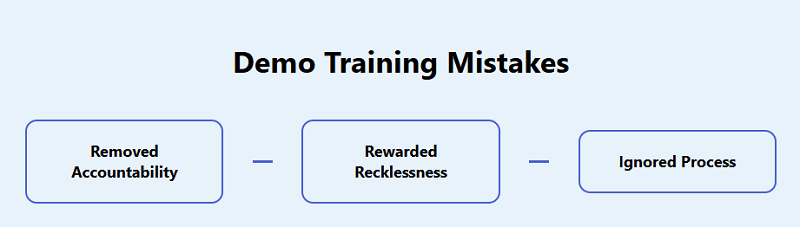
        2. Browser/Device Conflicts: Outdated devices, full RAM, or conflicting browser extensions may clash with the platform
        3. Update Errors: New feature rollouts sometimes introduce unintended bugs
        4. Network Jitter: Even a good connection may have momentary delays that cause desyncs

        But none of this excuses the fact that traders deserve reliability. Explore more about IQ Option, whether it’s legit or not.

        How I Reported the Bugs (and Got a Response)

        After my third platform freeze, I took action. Here’s what I did:

        1. Recorded Screen: I use OBS (free tool) to record trades now. When the bug happened, I saved the footage
        2. Took Screenshots: I captured the unresponsive interface and time stamps
        3. Contacted Support: I used the in-app chat and shared the video + screenshots
        4. Filed Official Complaint: After no reply for 24 hours, I emailed [email protected] directly

        Response Time:Live chat: 20 minutes
        Email: 36 hours

        They acknowledged the issue, said they were investigating, and offered a $10 goodwill bonus. Not exactly compensation, but better than nothing.

        If you’re serious about trading and want to test the tools yourself, start with a small balance and monitor performance: Get started with IQ Option →

        Pro Tips to Avoid or Minimise Bug Impact

        Here’s what I do now to protect my trades:

        Pro Tips to Avoid or Minimise Bug Impact

        1. Use a Fast, Clean Browser

        I only trade on Chrome or Edge. I disable all extensions and clear cache daily.

        2. Avoid Peak Times 

        Bugs seem more common around market opens (like 13:30 UTC or during US news events).

        3. Screen Record Your Sessions 

        Use OBS Studio or even a phone camera. Visual proof helps if something goes wrong.

        4. Stick to Desktop for Precision Trades 

        The mobile app is sleek, but more prone to bugs, especially during updates.

        5. Log Your Issues with Time Stamps 

        Maintain a journal of any strange behavior with exact times. It helps with follow-ups.

        How to Officially Report IQ Option Glitches

        You can’t just complain into the void. Here’s the right way to get noticed:
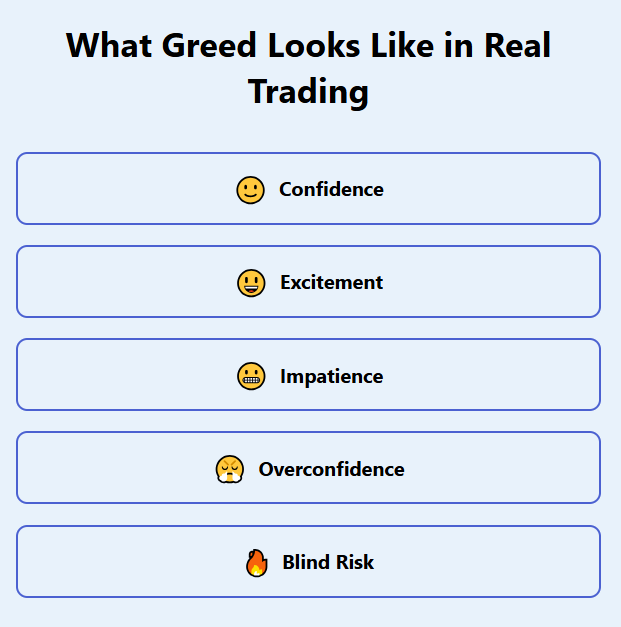
        How to Officially Report IQ Option Glitches

        Step 1: Use the in-app chat support.
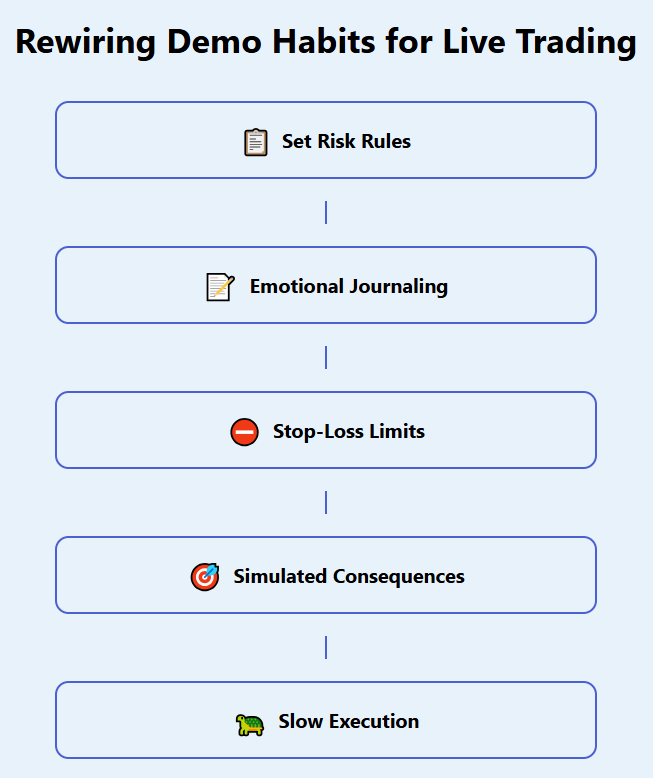
        Explain the issue clearly and politely.

        Step 2: Email [email protected]
        Include your account number, screenshots, video (if possible), and time of the bug.

        Step 3: Contact your account manager (for VIP users).
        They sometimes escalate faster than regular support.

        Step 4: Use public visibility (as last resort)
        If you’re ignored, consider posting (respectfully) on Reddit or Trustpilot with your evidence. This often triggers faster response.

        Should You Worry About These Bugs?

        That depends.

        If you’re a casual trader using the demo or placing occasional trades — maybe not. The bugs are rare and usually minor.

        But if you’re trading live with real capital and tight entries (like 60-second binary options), even a single glitch can ruin your setup.

        That’s why awareness matters.

        I still trade on IQ Option. The tools, UI, and assets suit my style. But I’m more careful now. If you are looking for IQ Option underrated tools, then check this guide.

        What IQ Option Should Do (But Hasn’t Yet)

        As a user, I feel IQ Option could improve by:

        • Creating a public bug report board
        • Showing real-time platform status
        • Offering better compensation when trades are affected
        • Improving QA before releasing updates
        • Sending alerts when there’s known instability

        Traders need transparency. That builds trust.

        Final Thoughts: Trade Smart, Not Blind

        I’m not here to tell you to quit IQ Option, I haven’t. But I am saying you should know what you’re stepping into.

        Most days, the platform works perfectly. But when it doesn’t, it can cost you. That’s why I shared everything here, no filter.

        If you trade without backups (screen recording, journaling, screenshots), you’re vulnerable.

        So protect yourself. Be proactive. Know what to expect. That’s how professionals treat platforms, not like a casino, but like a tool that must be reliable.

        And if you’re ready to explore IQ Option, just do it the smart way:
        Click here to create a real account — start with caution →

        Related Reads

        If you found this helpful, you might also want to read: